
When you’re getting started as a dog trainer, figuring out what gear you really need feels like a full-time job. There’s a lot of advice about equipment for dog training, and it’s mostly from someone trying to fill your shopping cart. It turns out, the real list is shorter than you’d expect.
We asked 31 working dog trainers what equipment they actually use, then gathered their responses into a list of must-have vs. nice-to-have training gear. Along the way, we’ll also cover the prep step trainers recommend most, four essentials you won’t see coming, business tools worth having, and an estimate of what a full dog training kit costs.
The Short Version
A new dog trainer’s day-one equipment needs are surprisingly simple: a standard leash, a long line, a flat collar, high-value treats, a motivator toy, and a good treat pouch. Add specialty gear like safety equipment for behavioral cases, containment gear for board-and-train, and business admin tools as your caseload and skills grow.
The One Tool No One Can Sell You
Ask four Facebook groups full of working dog trainers what a beginner needs most, and it turns out that the first answer isn’t something that you can order online. It’s judgment — the ability to observe the dog in front of you and know what to do next.
We heard it again and again:
“The most important tool is your brain — having the knowledge and understanding needed to
implement proper training. Without that, no tool in the world is going to help you.”
“Tools and fancy gear are great, but until you can properly read a dog and understand how to communicate consistently and with clarity, you can do more harm than good.”
So where does that judgment come from? The trainers we asked recommended these three avenues to build your training brain:
- Mentoring, shadowing, or apprenticing under a professional trainer. Suggested time frames ranged from 6 months to one year.
- Courses, workshops, or dog training certifications
- Practice, practice, practice. One trainer suggested fostering a series of shelter dogs and giving each the skills they need for a forever home. Hands-on experience for you, and a real shot at a better life for dogs.
Here’s what that means for your gear list: you’ll build the right kit for your skill level as you go. Start with tools you’re confident using, then add as your business grows and you figure out your training strengths. This helps you avoid overspending and keeps your kit matched to your real needs. That’s exactly how we laid out the checklist below.
New to the field? How to Become a Professional Dog Trainer covers education, certifications, and first steps.
Equipment for Dog Training: Must-Have & Nice-to-Have Checklist (According to 30+ Trainers)
Here’s the busy-day version. The two lists below are what trainers reach for first (their must-haves), and the specialized tools or gear upgrades they add over time (their nice-to-haves).
| Must-Have Gear on Day One | Nice-to-Have Gear As You Specialize |
|---|---|
|
Standard 6-ft leash
|
Clicker |
|
Long line (15 to 30 ft)
|
Specialty collars (multiple sizes, handled, wide, martingale)
|
|
Flat collar |
Muzzle (for reactive cases, multiple sizes)
|
|
High-value treats |
Harnesses (front and back clip) |
|
Treat pouch |
Containment gear for expanding into boarding (crates, pens, gates) |
|
One motivator toy |
|
Day-One Starter Kit: What Do You Need to Train a Dog?
This is the kit dog trainers said they’d put in the hands of a trainee who started with nothing.
Handling Gear
- Leash: This is the tool you’ll touch every single session, so it’s worth getting right. A standard six-foot leash handles everyday work and close-up handling.
- Long Line: A 15- to 30-foot lead lets a dog range out while you keep control. It’s how you build reliable recall and work on distance commands without letting dogs fully off-leash before they’re ready.
Pro Tip: Trainers kept specifically mentioning biothane for leashes. It’s a coated webbing that doesn’t soak up water, mud, or dog slobber the way nylon does, and it wipes clean instead of holding smells. When a piece of gear drags through wet grass every session, durability and easy cleaning matter.
Rewards & Motivation
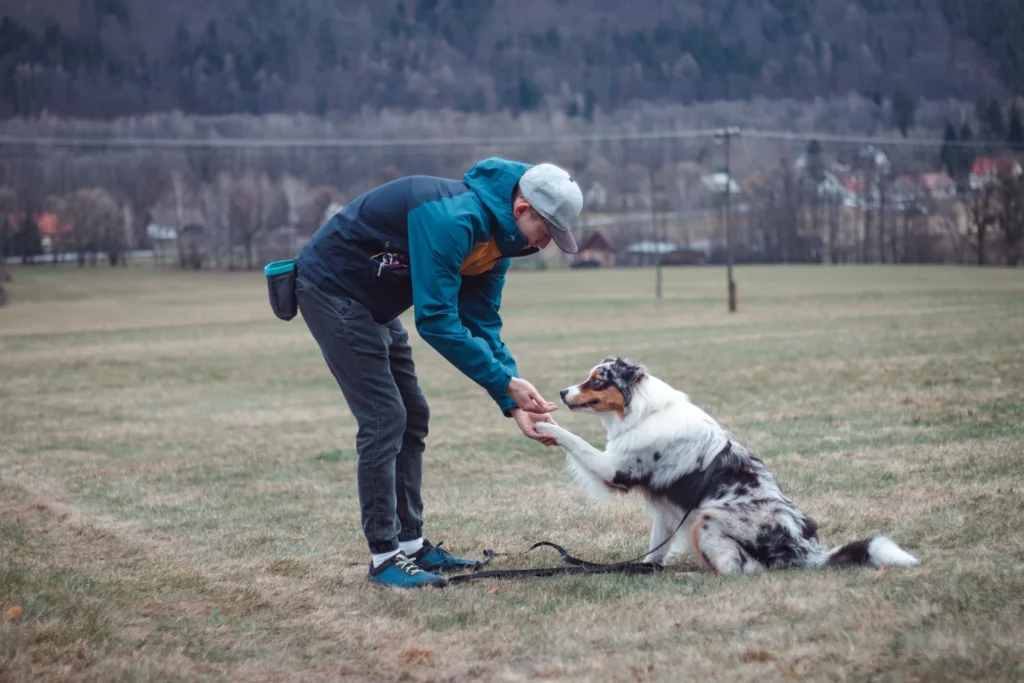
- Treat pouch: No trainer skips the treat pouch. It came up more than almost anything else for two simple reasons: you need both hands free for safety, and your reward has to be instant. Fumbling in your pocket while the moment passes is how you miss the exact behavior you’re trying to mark.
- High-value treats: Plain kibble works for easy training environments, but many trainers also keep tastier options on hand (like soft training treats or cheese cubes) to compete with bigger distractions. The value of the reward has to match how hard the ask is for the dog.
- One motivator toy: Having a tug toy or a flirt pole on hand while training isn’t just a reward. It’s a way to get a dog (and often their owner) engaged and playing, which is half the battle in early sessions.
Pro Tip: Get a treat pouch with room for activities. You’ll probably want to carry more than just treats hands-free, so pick a belt bag with lots of pockets to organize your poop bags, keys, and a clicker, if you use one. A sturdy D-ring to attach a leash is a nice extra one trainer mentioned.
Collars
On day one, keep it simple with a well-fitted flat collar. Trainers described it as the baseline every dog should have, and they specifically valued a collar the dog can’t back out of. A slipped collar at the wrong moment is a serious safety problem.
We’ll cover specialty collar options in the next section, but they’re typically only needed when the work calls for them.
Good to know: This starter kit lines up with what trainers are really buying. Leashes, collars, and leads are the single largest category in the dog training equipment market, making up 22% of sales, according to Grand View Research.
Dog Training Equipment to Add as You Grow
Here’s the part that saves you money: experienced trainers didn’t start out using all of the gear they use now. They built those kits over the years, adding tools as their skills sharpened and their businesses grew, and most don’t clock how much that kit is worth until they add it all up.
One trainer we talked to used their hoodie pocket as a treat bag in the beginning, and there’s nothing wrong with that. Let your kit follow your caseload, not the other way around.
When you are ready to start specializing, here are some of the trainers’ top recommendations.
Clickers
A clicker is a marker tool. That quick, consistent sound tells the dog “yes, that’s exactly what I wanted” at the precise moment it happens, which can make your timing sharper than a spoken word. Some trainers rely on them while others just respond verbally, which makes them worth a try, but not a must-have.
Pro Tip: Here’s an insight worth borrowing from a trainer we asked: even if you don’t end up using a clicker with clients, learning on one trains your own timing and mechanics. It’s as much a tool for sharpening the handler as the dog. They’re cheap to try and easy to set aside if they aren’t your style.
Specialty & Additional Collars
As trainers took on more varied cases, many expanded their collar collection (martingales, wider or handled flat collars, slip leads, and more). Which tools belong in your kit depends on your training methods, your education, and what you’re certified in and confident to use. Trainers in our responses held genuinely different views here, so this is a your-methods, your-call area.
Muzzles
If you start working with reactive or aggressive cases, a muzzle becomes essential safety gear for both you and the dog. Many trainers keep a few types and sizes on hand rather than a single one, since fit matters. This is a “when the work calls for it” item, not a beginner purchase.
Harnesses
A harness is a job-specific tool, which is why trainers reach for different styles. A front-clip “no-pull” harness helps manage strong pullers and reactive dogs by redirecting momentum without neck pressure. A harness might also be safer than a collar for small, flat-faced, or senior dogs.
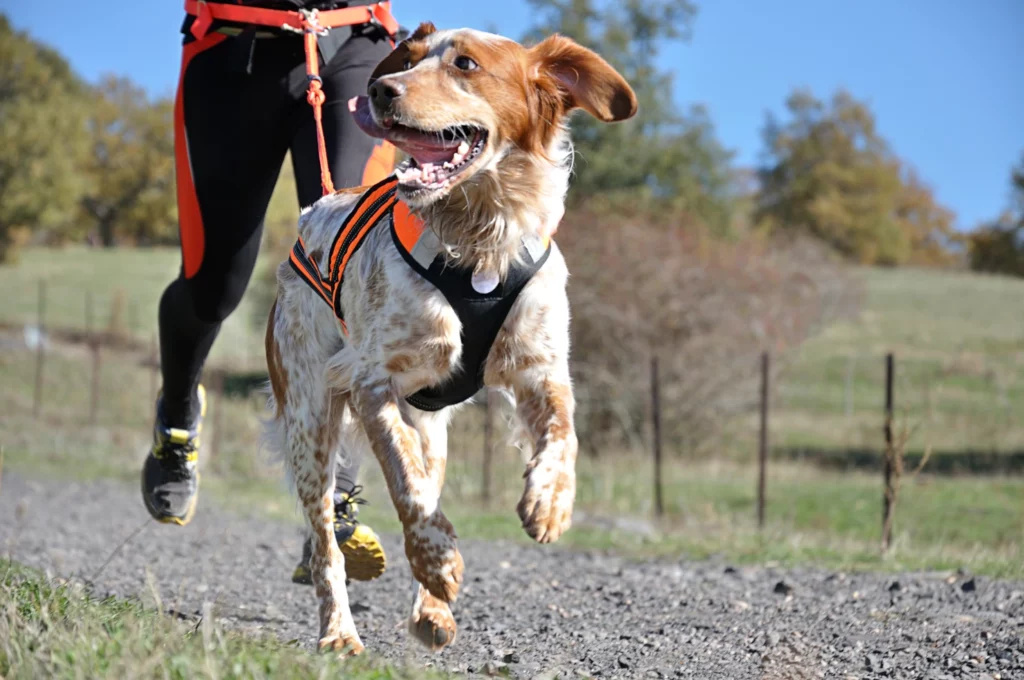
Move into training specialties like tracking, pulling sports, or canicross, and you may use back-attachment harnesses that encourage pulling or leaning into scents. The harnesses in your kit just depend on the type of cases you take.
Containment for Board-and-Train
If your business grows toward boarding and day-training, then crates, pens, gates, and enough secure space to safely manage multiple dogs become a must-have gear category. One trainer’s hard-won advice was to ensure your setup accounts for escape artists (like kennels with tops).
Essential Gear That Surprised Even Experienced Trainers
We asked dog trainers about the equipment that caught them off guard, the thing they didn’t expect to need or didn’t value until they’d been at it for a while. Their answers were the most fun part of the responses, and they could save you some trial and error.
Sturdy Footwear
Several trainers called out shoes as the gear that wears out fastest. You’re going to be on your feet across grass, gravel, concrete, and mud, session after session. Your shoes are training equipment, even if they never occurred to you as a startup cost.
“Good shoes! Sounds weird, but when I first started, I would go through shoes like crazy! I was buying Nike sneakers every few months.🤦♀️ I now wear Steel Blue work boots, and my last pair lasted over 4 years.”
A Power Washer
“Power washer. You’ll thank me later.”
Yes, that’s the whole comment, but it makes a lot of sense when you think about it. If your work involves multiple dogs in any kind of boarding or daycare space, cleanup stops being a nice-to-have. This pick is tied to your business setup and services, but the trainers who need a power washer really need one.
Storage (Car Kit + Carry Bag + Pockets)
Multiple trainers mentioned storage and organization, from training vests or pants with pockets to a system for hauling gear between training locations.
“You will also need something to carry all your gear! I suggest a car storage kit and then something you can take into the client’s home. I also wear Bisley workwear pants/shorts. They are fantastic as they have so many pockets and are thick enough to withstand a lot of scratches.”
A Client Education Packet
Your value as a dog trainer isn’t just delivered during the session — it’s what the owner can follow at home when you’re not there. A written guide turns your expertise into something clients keep, refer back to, and thank you for. It costs you time up front, but almost nothing after that.
“I think client handouts are under-appreciated and underutilized. I have a complete client manual that includes everything my client needs, from start to beyond finish! My clients love them!”
None of these tools are dog training equipment in the obvious sense, which is why they catch people off guard. Some make long hours sustainable, and some make you look like a pro. Either way, you usually learn to value them the hard way, so consider this your shortcut.
On the Business Side: Operational Equipment for Dog Training
The tools that keep your business organized are easy to overlook, but trainers were clear that the back-office setup matters just as much as what’s in your training bag. Thankfully, the same rule applies: start simple and add as you go.
A Payment Portal
Square came up as a simple, low-cost way to take payments. A basic business bank account and clean records will carry you a long way.
A Session Tracking System
Formats vary, from notebooks with a tab per client to scheduling apps that log progress between sessions. Consistency and organization matter more than the tool.
Digital Record Keeping
One trainer’s insider tip: receipts fade over time. Keeping photos or copies of your invoices in secure online storage saves you from scrambling come tax time.
Contracts & Paperwork
A solid client contract that spells out your terms protects you and sets expectations before training starts. Pair it with an intake form that captures the dog’s history (including bite history).
Marketing & Promotional Tools
A simple website, a dedicated business email, and a social media presence help clients find and vet you. Clear and professional beats elaborate.
Check out Best Pet Business Software for favorite tool recommendations from pet care pros like you.
What Your Training Kit Is Really Worth
At the end of a long list of everything she’d accumulated over her career, one trainer said she’d hate to know how much she’d spent on equipment over the years.
Dog training equipment is a growing business in its own right. Grand View Research projects that the global market for dog training gear will reach $3.85 billion by 2030. The takeaway for you: the gear you depend on is a genuine investment, serious enough to build an industry around.
That’s the thing about dog training gear. You almost never buy it all at once, so you might not feel its value. A leash here, a collar there, treats restocked month after month. Each purchase feels small, and it usually is. But it adds up over time, and most trainers have never actually run the numbers.
So let’s run them. The good news is that your starter training equipment kit is surprisingly manageable.
| Starter Dog Training Equipment | Estimated Cost |
|---|---|
|
Standard 6-ft leash
|
$10 to $40 |
|
Long line (15 to 30 ft)
|
$20 to $65
|
|
Flat collar |
$10 to $30
|
|
Treats (starting stock) |
$15 to $35 |
|
Treat pouch |
$15 to $35 |
|
One motivator toy |
$10 to $25 |
|
Total starter kit cost |
$80 to $230 |
*Price ranges sourced from Amazon and Chewy, July 2026
Now consider the value of your training setup a few years down the road as you start to grow and expand.
| Growing Dog Trainer Gear Needs | Estimated Cost |
|---|---|
|
Starter dog training equipment (from above)
|
$80 to $230 |
|
Additional and specialty collars (multiple sizes and types) |
$40 to $150 |
|
Muzzles (a couple of types and sizes)
|
$20 to $80
|
|
Harnesses |
$20 to $70 |
|
Clicker and small extras |
$10 to $25 |
|
Working private dog trainer kit |
$150 to $555+ |
|
Board-and-train setup kit |
$330 to $1,155+ |
*Price ranges sourced from Amazon and Chewy, July 2026. Note that adding professional scheduling, intake, website, and business tools can add $75+/month to your total cost.
The trainer who didn’t want to know how much she’d spent wasn’t exaggerating. A working trainer’s full kit, built out over a few years, can easily represent hundreds or even thousands of dollars in gear you rely on to earn a living.
Here’s what surprises most trainers: Standard dog trainer insurance typically won’t replace any of it if it’s lost, stolen, or damaged. But adding Equipment & Inventory Coverage can help you recover instead of paying out of pocket to rebuild your whole kit, whether your gear is at home or on the go.
For more about protecting your dog training business, read our Guide to Dog Training Insurance or check out PCI’s coverage details for dog trainers.
Gear Up & Get Started
The trainers we asked agree: you don’t need everything on day one. Start with the essentials, and add tools as real experience and your business growth tell you what you need.
You’ve got the list. Now make it yours.
Download the Professional Dog Trainer Equipment Checklist to check off what you’ve got, flag what’s next, and start training smarter.
Want to keep sniffing around? Learn How to Launch a Dog Training Business.
Dog Trainer Equipment FAQs
What’s the difference between must-have and optional gear for dog trainers?
Must-have equipment for dog training is the small set of tools trainers use in nearly every session: a standard leash, a long line, a flat collar, high-value treats, a treat pouch, and one motivator toy.
Optional dog training gear is what you add as you develop your training specialty or as your business and services grow, like specialty collars, muzzles, harnesses, containment equipment, and business admin tools. The working trainers we asked were clear that you only need the must-haves to start.
How much does equipment for dog training cost to get started?
A basic starter kit (a leash, long line, flat collar, treats, a treat pouch, and a motivator toy) costs from $80 to $230, based on current pricing and item brand or quality. Your spending on dog training equipment will likely increase as you add specialty gear and admin tools, so a full kit may reach hundreds of dollars or more. You don’t need to buy it all at once, though. Most trainers build their kit gradually.
What dog trainer equipment is best for professionals vs. beginners?
Beginners and professionals often use the same core tools, since the essentials don’t change. The difference is the tools pros add for specific cases and behaviors, such as muzzles, specialty collars and harnesses, or even crates and gates for board-and-train services. Advanced trainers often carry a wider range in their gear, but they’ll still use the basics, too.
Should I insure my dog training equipment?
Insuring your dog training equipment is worth considering, as you rely on your gear to work, and it can add up to a significant investment. Standard liability insurance often won’t pay to replace gear when it’s damaged or stolen, so dog trainers may want to add Equipment and Inventory Coverage (aka Inland Marine Coverage) to their business policy.
