
Claims-Made Policy
What Is a Claims-Made Policy?
A claims-made policy is a kind of insurance that generally helps when:
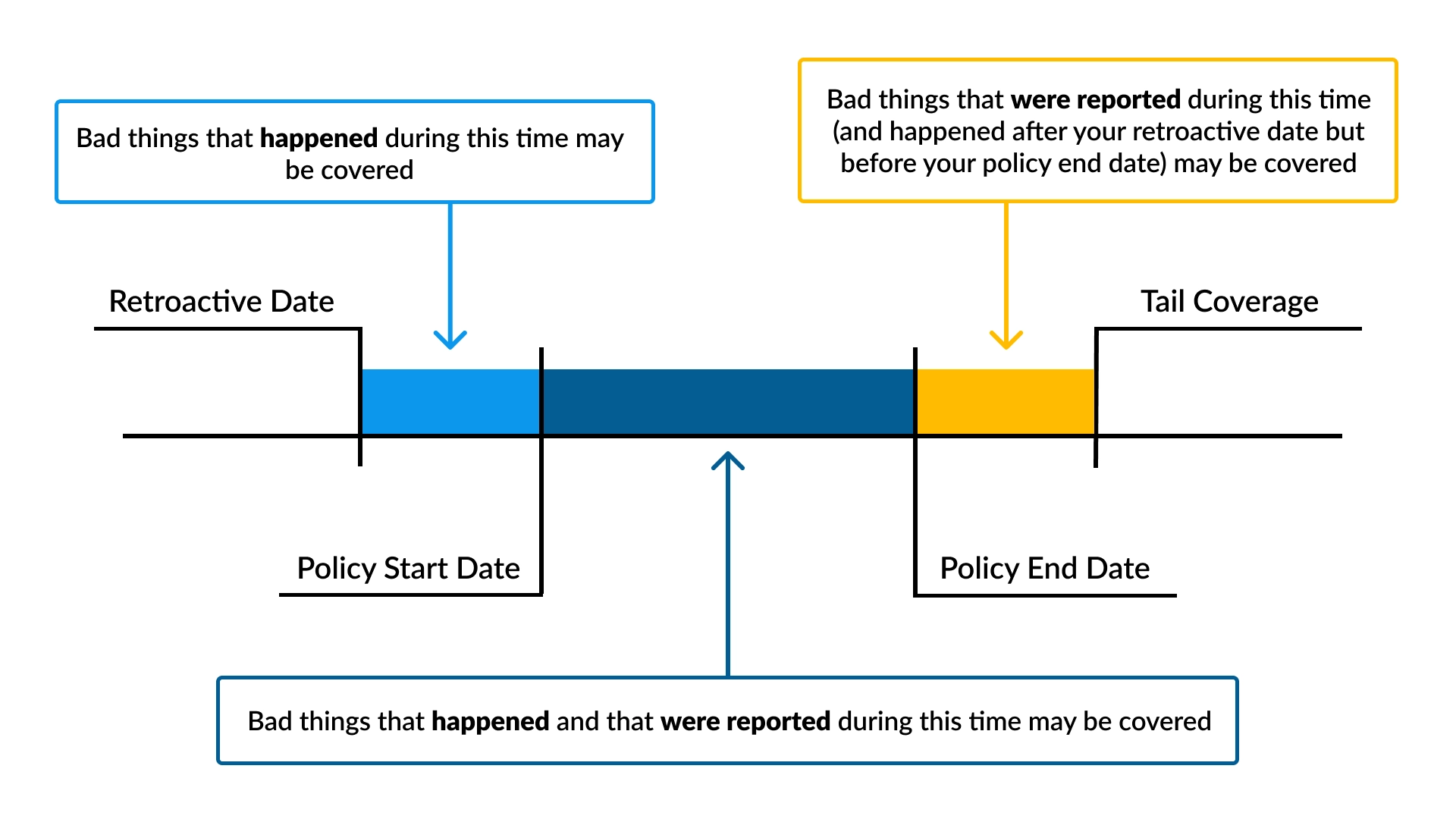
- A covered incident happened after your retroactive date, and
- The claim is first made and reported while your policy is active, or during an allowed reporting period.
That’s a mouthful, right? Let’s break it down.
What if a dog you walk today starts limping, and the owner files a claim about it next year? A claims-made policy means “Did I have insurance when the injury happened?” isn’t the only question that matters.
Here are key things to know about claims-made insurance policies:
- Timing matters. A claims-made policy generally responds when a claim is first made and reported while the policy is active (or during the allowed reporting period), not just when the accident with your walk, sit, or groom happened.
- Canceling can create gaps. If you cancel, switch carriers, or take a break without planning ahead, you could lose protection for past jobs.
- It’s common with professional liability. Many professional liability policies use a claims-made format.
- You can prevent problems. Understanding retroactive dates and tail coverage helps you avoid accidental gaps in protection as your pet business grows or changes.
Retroactive Date & Tail Coverage: Two Essential Terms to Know
Retroactive Date: Your retroactive date is the earliest date an incident or injury could happen that your policy would still cover.
If something happened before that date, your claims-made policy usually won’t cover it, even if a client makes a claim about it while you have your policy.
Tail Coverage (aka Extended Reporting Period): Tail coverage gives you extra time to report claims after your policy ends.
If you close your business, switch insurers, or take a break, tail coverage can let you or someone else report claims later for work you did while your policy was active.
Claims-Made vs Occurrence Policies: What’s the Difference?
Claims-made and occurrence are two different ways insurance policies are formatted to handle claim timing. Knowing which one you have can prevent expensive surprises later.
| Claims-Made Policy | Occurrence Policy | |
|---|---|---|
|
When you’re covered |
When the claim is made (while policy is active or during an allowed reporting period) |
When the incident happens (during policy dates) |
|
Good for |
Professional liability |
General liability |
|
Watch out for |
Gaps when canceling or switching insurers without tail coverage or prior acts coverage |
You must have an active policy at the time of the incident |
Neither policy is better or worse (and while we know they sound confusing, neither is trying to be sneaky). They’re just good for different kinds of pet care businesses.
Paws-on-the-Ground Example
A dog in your care bites your client’s neighbor in 2024. The neighbor files a claim for it in 2026.
- Under a claims-made policy, you typically need the policy to still be active in 2026 (or to still fall within the reporting period) for coverage to respond. The 2024 bite also has to have happened after your retroactive date.
- Under an occurrence policy, coverage usually depends on whether the policy was active in 2024 when the bite happened.
This is why knowing which type of policy you have matters.
How to Avoid Coverage Gaps
A claims-made policy can still provide excellent coverage for a pet pro, but it requires a little more attention, especially when something about your business or your insurance changes.
To reduce the risk of gaps:
- Stay insured, if possible. A break between policies can leave your past work uncovered if someone files a claim against you during that gap.
- Check your retroactive date when renewing your policy or switching insurers. If your new policy resets the retroactive date to today, it might not cover work you did last year.
- Ask about prior acts coverage when moving to a new policy. This can help protect appointments, walks, and grooms you finished before the new policy started.
- Consider tail coverage if you cancel your policy or pause your pet care. Without it, a claim first made and reported after your policy ended probably won’t be covered.
Big Takeaway
With claims-made coverage, protection depends on ensuring every part of your work’s timeline is covered by something. Work with your insurer to set retroactive dates, add tail coverage, or align your start and end dates or reporting periods from one policy to the next for seamless coverage.
Keep Sniffing Around
- Occurrence Policy
- Retroactive Date
- Tail Coverage / Extended Reporting Period
- Professional Liability Coverage
- General Liability Coverage
- Policy Period

Kyle Jude | Program Manager
Kyle Jude is the Program Manager for PCI, where he helps design and maintain liability coverage specifically for pet professionals. With 10+ years of insurance industry experience, he works closely with carriers, underwriters, and compliance teams to ensure PCI coverage stays accurate, responsive, and relevant to real-world risks. At home, he puts that same expertise to use wrangling his four beloved dogs
Kyle Jude is the Program Manager for PCI, where he helps design and maintain liability coverage specifically for pet professionals. With 10+ years of insurance industry experience, he works closely with carriers, underwriters, and compliance teams to ensure PCI coverage stays accurate, responsive, and relevant to real-world risks. At home, he puts that same expertise to use wrangling his four beloved dogs