
Pet-proofing your home for a pet care business means creating a safe, controlled space for clients’ pets by removing hazards and managing how they interact. It goes beyond basic pet-proofing by helping you handle multiple pets, new behaviors, and daily care routines with less risk.
Boarding, training, and grooming pets from home is all fun and games until someone eats their chew toy.
Pet-proofing for home pet care or a pet boarding business means setting up your space to safely handle multiple pets, supplies, and everyday risks, not just your own pet’s habits. From securing food to managing how pets interact, a few small changes can make your setup safer and more professional.
This guide breaks it down room by room with a checklist for pet-proofing your home and real examples from pet pros to help you spot (and fix) risks fast.
Get the Pet-Proofing Checklist
Pet-Proofing Checklist for Home-Based Pet Care Businesses
Before you start moving furniture or buying new equipment, run through this checklist. It highlights the most common risks in home-based pet care setups and helps you spot quick fixes right away.
We’ll cover risks by room in more detail next.
Quick Checklist: Pet-Proofing for Home Pet Care Businesses
Food and Ingestion Risks
▢ Secure trash in a lidded bin or closed cabinet
▢ Store all human food out of reach of pets (enclosed storage is best)
▢ Remove small items, like gum and food wrappers
▢ Keep pet food sealed and stored properly
Space and Setup
▢ Create separate zones for play, feeding, rest, and intake
▢ Block of unsafe areas like laundry rooms, garages, or storage spaces
▢ Use gates, pens, or crates to control movement around the space
▢ Store supplies, meds, and grooming or cleaning products securely when not in use
Supervision and Handling
▢ Monitor group play, especially with new or unfamiliar pets
▢ Separate pets when you’re not actively supervising them
▢ Watch for signs of stress, guarding, or overstimulation
▢ Gather behavior history on each pet during the intake process
Home and Environment
▢ Cover or secure electrical cords
▢ Remove chewable, breakable, or easy-to-swallow items
▢ Move houseplants and other toxic decor out of reach
▢ Check floors for slipping hazards or unstable surfaces
▢ Inspect your space for sharp edges and potential dangers
Safety Systems
▢ Ensure doors, gates, and fences close and latch securely
▢ Use barriers or double-door setups for entry and exit areas
▢ Keep emergency contacts and vet info easy to access
▢ Monitor temperature + water and shade access in outdoor spaces
▢ Create an equipment inspection and cleaning calendar
Care Routines
▢ Follow feeding instructions exactly (no substitutes or extras)
▢ Label medications, food, and supplies clearly
▢ Avoid introducing new treats, foods, or products without approval
Business Risks
▢ Store client belongings (pet gear, extra food, etc.) separately and securely
▢ Budget for wear and tear on pet supplies and light home repairs
▢ Track pet capacity and avoid overbooking
▢ Separate personal spaces from business spaces
▢ Get pet care business insurance designed for home pet care
Want a printable version? Download the quick home pet safety checklist to make regular pet-proofing walkthroughs easy. Just save and reuse!
When you’re caring for clients’ pets, your home becomes part of your service. You’re managing unfamiliar pet behaviors, multiple routines, and higher stakes. That means your setup needs to function more like a system than a typical pet-friendly home. Here’s how to do it.
How to Pet-Proof Your Home Room by Room (A Visual Guide)
If you look at your home as a whole, it’s easy to miss small risks. But when you break it into zones, patterns start to show up. Most home-based pet care setups include the same key areas, each with its own set of risks.
Use this visual to quickly scan your space and spot problem areas you might not notice day-to-day. Next, we’ll give tips for tightening your safety setup in the rooms where things are most likely to go wrong.
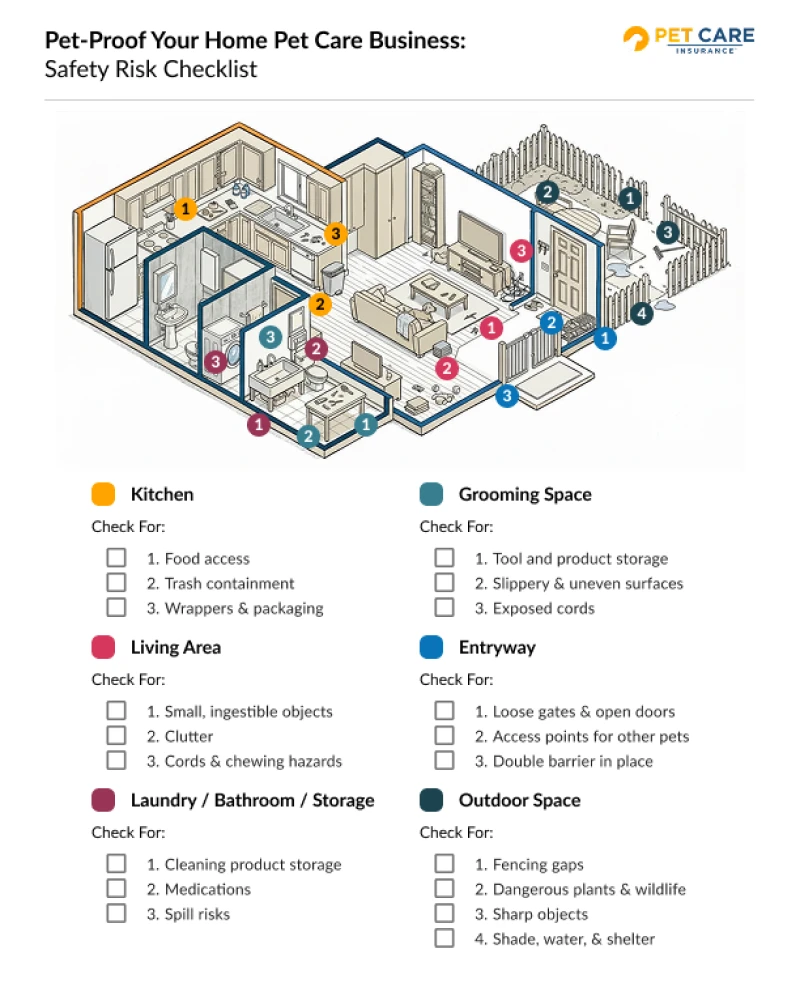
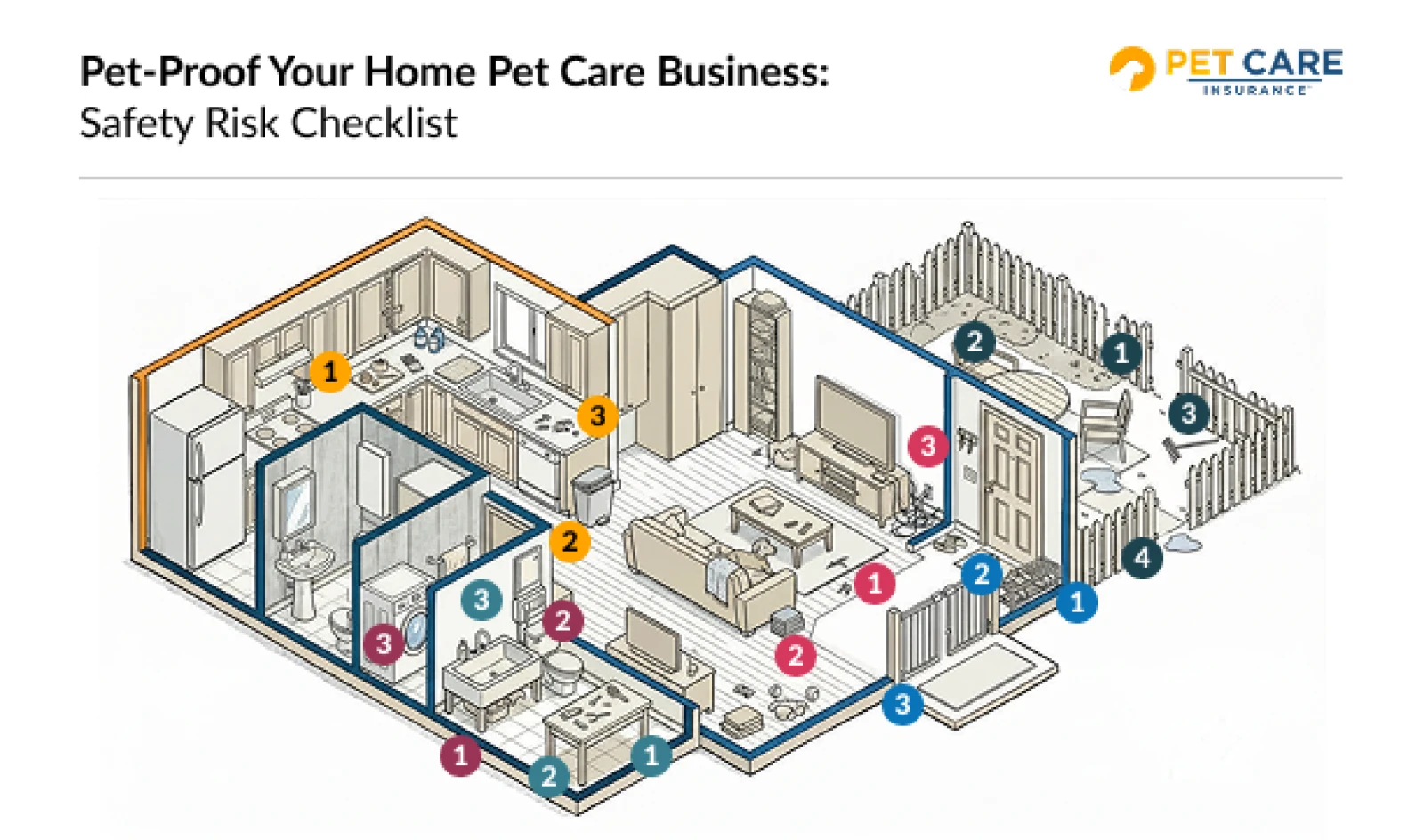
Kitchen
Check for:
- Food access
- Trash containment
- Wrappers and packaging
Living Area
Check for:
- Small, ingestible objects
- Clutter
- Cords and chewing hazards
Laundry / Bathroom / Storage
Check for:
- Cleaning product storage
- Medications
- Spill risks
Grooming Space
Check for:
- Tool and product storage
- Slippery and uneven surfaces
- Exposed cords
Entryway
Check for:
- Loose gates and open doors
- Access points for other pets
- Double barrier in place
Outdoor Space
Check for:
- Fencing gaps
- Dangerous plants and wildlife
- Sharp objects
- Shade, water, and shelter
Kitchen (Food and Ingestion Hazards)
Kitchen (Food and Ingestion Hazards)
Kitchens are one of the highest-risk areas in home-based pet care. Food, trash, and small items are everywhere, and pets are highly motivated to get to them.
Throughout our tips, we’ll share anonymized examples of real claims we’ve seen at Pet Care Insurance (PCI). These risks aren’t just hypothetical. They happened to real pet care businesses like yours.
⚠️ Real example
Sugar the chocolate lab opened a closed pantry door and ate unsecured food, wrappers and all. She got sick and required immediate veterinary care.
⚠️ Real example
Louie the Malinois got into a bag of raisins in a boarder’s home and needed to be rushed to the vet.
Tips for Pet-Proofing a Kitchen:
- Keep countertops clear, don’t just push items “out of reach.” Cat- and dog-proofing your home means accounting for the pet’s full range of motion. In a typical home, most surfaces are within reach for a determined pet, so enclosed storage is safer.
- Use closed trash cans or store trash behind a door. You may even consider simple child locks for door handles that push rather than turn.
- Store all food in sealed containers, even inside the pantry.
- Keep bags, wrappers, and leftovers off accessible surfaces. They may not read as “food” to you, but they still smell like food to pets. When dogs eat plastic wrappers or cling wrap, it can cause serious intestinal blockages, often requiring vet attention.
- Pay special attention to foods toxic to dogs and cats, like chocolate, grapes or raisins, dough, alcohol, onions, and garlic.
Laundry, Bathroom, Garage, and Cleaning Storage (Chemical Risks)
These areas often hold cleaning products, detergents, tools, or medications that can be harmful to pets if ingested or spilled.
⚠️ Real example
Ollie the maltipoo had an extreme allergic reaction after exposure to a pet pro’s cleaning products.
⚠️ Real example
Ginger the dachshund got into a pet pro’s bag and ate her medication, requiring immediate medical care.
Tips for Pet-Proofing Laundry Rooms, Bathrooms, Garages, and Storage Areas:
- Keep these doors closed. If you’re not actively using the space, just keep pets out.
- Store products in closed cabinets, not open shelving.
- Avoid loose lids, leaking bottles, or open containers.
- Keep pet-safe and non-pet-safe cleaning products clearly separated.
- Clean up product spills immediately.
- Secure all medications in screw-top bottles. Original packaging is safest.
Living Areas (Chewing and Swallowing Hazards)
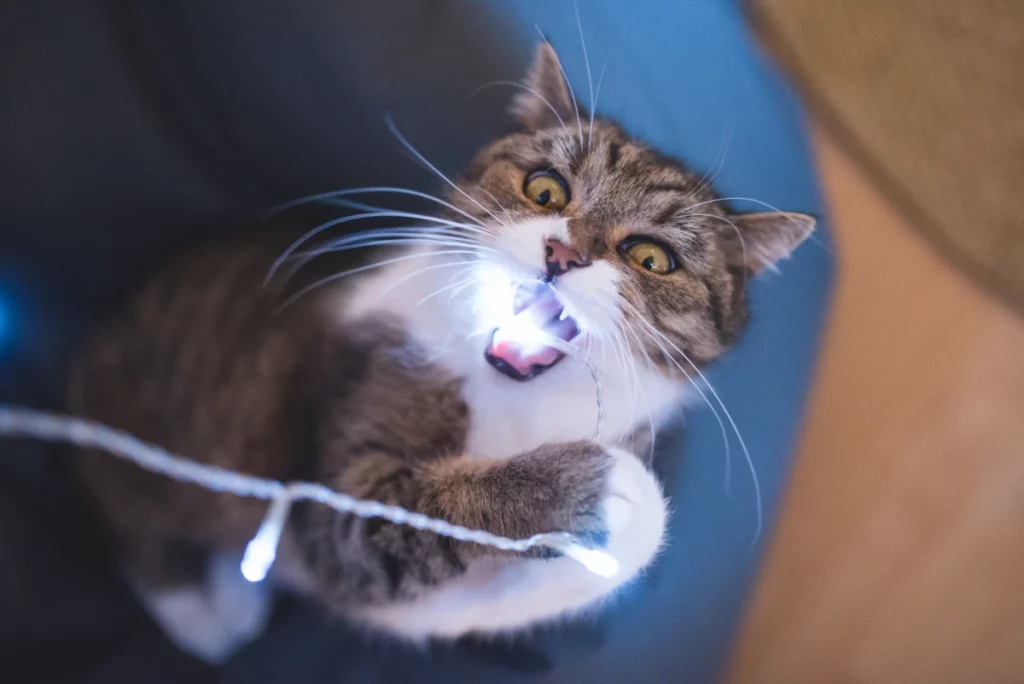
Living spaces feel safe, but they’re full of objects that can become hazards under the right circumstances. Pet behaviors in new environments tend to be more extreme, so plan for zoomies, exploring every nook and corner, hiding, and nervous chewing when you’re thinking about pet-friendliness.
⚠️ Real example
Chester the cat chewed on a plastic decoration and cut her face on the rough edge.
Tips for Pet-Proofing Living Spaces:
- Remove small objects from floors, tables, and low surfaces.
- Keep cords, chargers, and electronics out of reach.
- Avoid clutter that pets can dig through or chew.
- Remove fresh florals or houseplants toxic to animals, including popular picks like jade plants, philodendrons, snake plants, pothos plants, lilies, and aloe.
Grooming or Workspace Setup (Handling and Equipment Risks)
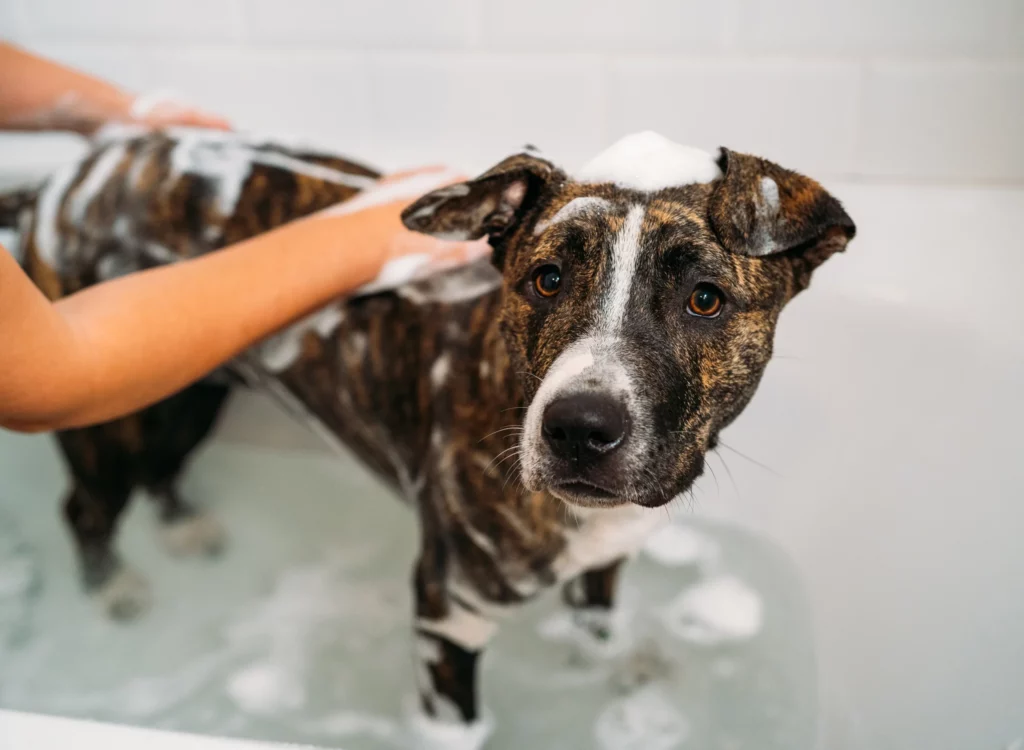
If you run a grooming business from home or even offer basic care like baths during boarding stays, your setup needs to be stable and organized.
Grooming salons have strict procedures around safety, cleanliness, and tidy spaces because it’s so easy for pet injuries and equipment accidents to happen. Pet-proofing helps make your at-home grooming service safer and more professional.
⚠️ Real example
Dolly the goldendoodle jumped off a grooming table and broke her leg.
⚠️ Real example
A groomer stumbled on an uneven mat during grooming and accidentally cut Peanut the Pomeranian’s tail.
Tips for Pet-Proofing Home Grooming Setups:
- Use stable, non-slip work surfaces for both yourself and pets.
- Keep tools organized, well-maintained, and within reach, not loose. Remove pet hair from vents or mechanisms regularly and inspect cords for damage.
- Work at a pace that matches the pet’s comfort level.
- Secure pets properly during grooming or handling to avoid jump-downs and other common causes of injury.
- Check for any known allergies to grooming products.
Entryways (Escape Risks)
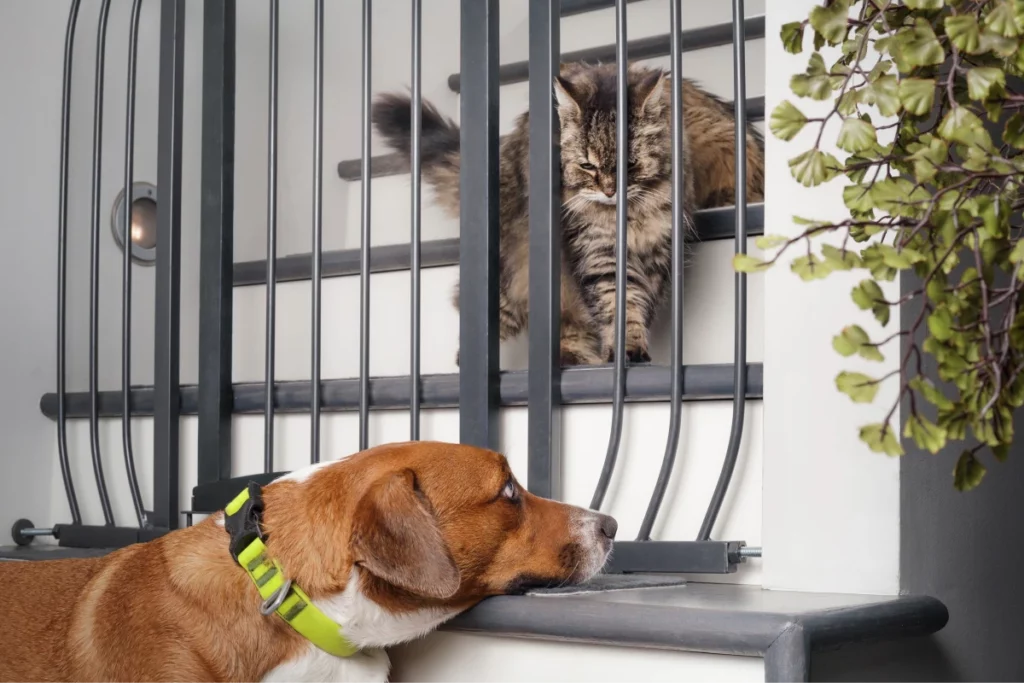
This is one of the most overlooked and highest-risk areas in home-based pet care. There’s a lot going on when pets come or go, and you’re often dealing with human and furry clients at once. That makes it easy for a pet to slip out of a door or gate in the confusion.
⚠️ Real example
Gogo the German shepherd pushed through a loosely latched gate during drop-off and ran into traffic.
Tips for Pet-Proofing Entry Points:
- Keep entryways calm and controlled. Eliminate clutter so you can clearly see where pets are at all times.
- Keep pets in their carrier, on a leash, or behind a gate until all doors are closed. If pet parents let their pet out before you’re ready, consider what the fallback will be. Is there anything between the pet and an open door?
Yard and Outdoor Spaces (Environmental Risks)
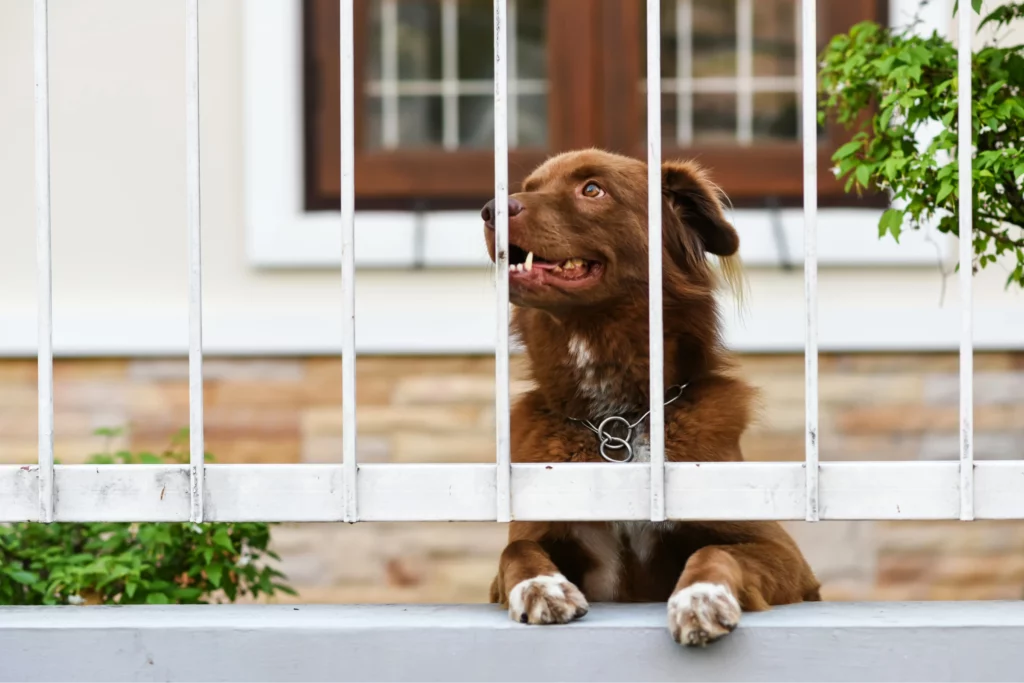
Outdoor areas can feel lower-risk, but they introduce hazards you can’t always see right away, or that can be harder to control. This is especially true if you offer other enrichment services, like walks.
⚠️ Real example
Luna the border collie was bitten by a snake while playing in a yard unsupervised.
⚠️ Real example
Riley the beagle cut his paw on jagged fencing and needed stitches.
⚠️ Real example
Finn the husky ate a foxtail during a walk and got sick, requiring emergency care.
Tips for Pet-Proofing Yards and Outdoor Spaces:
- Check fences for gaps, sharp edges, or weak spots.
- Supervise outdoor time rather than letting pets roam freely.
- Watch for environmental risks like heat, cold, pests, or wildlife. Make sure water and shade are readily available on hot days.
- Remove toxic plants, debris, or sharp objects from your outdoor space. You can’t control what’s in the environment beyond your property if you venture out, but checking regularly for hazards in your own outdoor areas helps you stay vigilant for potential dangers on walks.
When Pet Care Setups Break Down (Four High-Risk Moments)
Even in a carefully managed home, most pet issues don’t happen randomly or come from the space alone. They happen during specific moments when things are moving quickly, or your attention is divided. If you know where and when those moments happen, you can plan for them and keep pets safer.
1. Feeding and Food Access
Many pets’ eating habits change in a new environment. They may eat more, less, or be extra prone to guarding. Food is also a common trigger for aggressive behavior in multi-pet settings, so leaving several pets alone with food (even if they all belong to one client) can lead to injuries and accidents.
⚠️ Real example
Fred the pug got into the full bag of kibble his owner brought and ate almost half of it. He needed immediate vet attention.
⚠️ Real example
Roxie and Rush got into a fight when Rush tried to eat Roxie’s food. The pet boarder tried to bring Roxie and her food into a separate space, but Rush followed them in and continued the fight.
What to do:
- Never leave accessible food unattended, even for a minute. This includes pet food, not just human food. Many pets will overeat if given the chance.
- Have a plan to store clients’ pet food. You can’t control the way clients bring their pet’s food, but you can control where and how you store it. Prep sealed containers or cupboard space.
- Feed pets separately, in separate spaces, if there’s any risk of rushing or guarding. Ask about quirks, a bite history, and behavior triggers during your intake process. If you don’t ask, many pet parents won’t offer that information.
2. Doors, Client Handoffs, and Care Transitions
Most escapes happen in seconds, and typically during pickups, drop-offs, or other transitions. Even if the pet parent’s action leads to the problem, if it’s in your space, you could still be responsible. That’s why backup systems are key.
⚠️ Real example
Midnight the cat escaped through the front door while a pet boarder was busy checking in another client’s pet.
What to do:
- Use backup gates, leashes, or barriers while checking in or transferring pets. Use a double-barrier system, so pets have to get through two obstacles before reaching an exit.
- Limit to one pet at a time during pickup and drop-off. Gate all entry points leading to the door clients use to keep this space clear of other pets. If clients bring more than one pet, get each pet checked in and secure before moving on to the next pet.
- Only open doors or gates once all pets are secure.
3. Group Play and Socialization
Playtime can shift from fun to intense fast, so it’s vital to consider the dynamics among any animals in your home at the same time (including your own pets). Socialization can be great, but only if it’s safe for all the pets involved.
⚠️ Real example
Mindy, an energetic Australian shepherd puppy, injured Frodo, a senior schnauzer, during group play. Neither dog was acting aggressively, so the accident came without warning.
What to do:
- Group pets for playtime by size, temperament, and energy level. Injuries aren’t always about fights or reactivity. Even a well-meaning large or energetic dog can unintentionally hurt a smaller or older pet.
- Interrupt play before it escalates. Play needs to be supervised to catch when good-natured tug of war turns into a fight.
4. Unsupervised Time and Containment
“Just a minute” is often when something happens. There will always be antics to pull your attention in a house full of pets, so leaving a pet in a less-than-ideal space temporarily is a constant temptation. Dog-proofing your home limits environmental risks, and thoughtful procedures can help you ensure that pets are safe, even when you’re not present.
⚠️ Real example
Couscous the cocker spaniel chewed through his crate and injured his mouth trying to escape.
What to do:
- Use appropriate crates, gates, or secure areas. Check for sharp edges or wear and tear on your barriers and equipment regularly.
- Don’t leave incompatible pets together. Keep pets with conflicting needs separate during their entire stay, so the need to hope for the best as you put out a fire elsewhere never arises.
- Ensure containment setups are secure and comfortable. Before you crate a pet, make sure they have adequate space, food and water (if appropriate), and a potty break. A comfort item like a toy may help, but check with pet parents for any tendency to eat objects like toys or pet beds first.
- Check on pets in containment regularly. Even if they’re not free to wander, pets can still get injured, and they still need your care and attention.
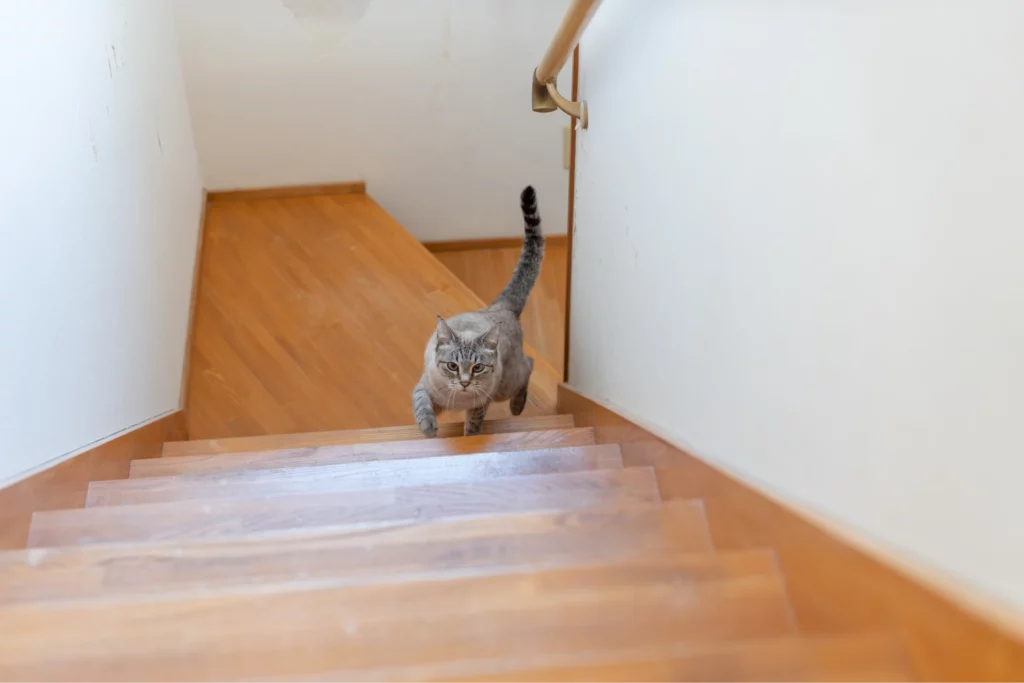
Pet Sitting in a Client’s Home? Here’s How Pet-Proofing Changes
But what if you can’t control all of these things because you’re sitting, training, or grooming pets in the client’s home? You have many of the same risks, and you’re still responsible for what happens, but your control is limited to non-permanent changes.
Here’s how to handle it: shift your focus from building a safe environment to quickly assessing and managing one.
Start with a quick safety scan
Before you settle in, scan the home for obvious risks:
- Food, trash, or personal items left within reach
- Loose cords, open doors, or unsecured gates
- Cleaning products or medications in accessible areas
Control what you can
You can’t redesign the space, but you can still reduce risk. Focus on high-impact, quick changes:
- Move food, unsafe products, and small items out of reach, ideally into closed storage.
- Adjust where pets are allowed to roam by closing doors or blocking unsafe areas.
- Keep your own belongings securely stored. Stash your bag or supplies (full of exciting new smells) out of reach of pets.
Pro Tip: If you moved something out of its normal place for safety, leave a note for the client so they know where to find it (and that you didn’t take it).
Stick to routines
Follow the pet’s regular schedule to reduce the chance of unusual behaviors due to stress or anxiety.
- Be extra cautious during door transitions, and keep a hand free just in case.
- Follow feeding instructions exactly.
- Avoid introducing new foods or treats to limit the risk of allergic reactions and other hazards.
Ask about known risks upfront
You’re the pet care expert, but clients have experience with their space and pet that you don’t. Ask for the house rules and pet behavior questions on this pet sitting checklist during your booking or intake process, including:
- Escape habits
- Food sensitivities or ingestion risks
- Areas the pet shouldn’t access
- Cleaning products and preferences
You don’t need a perfect environment to provide safe pet care. But you do need to stay aware, adjust quickly, and control the moments that matter most.
Want more tips about safety while working in a client’s home? Read all about creating strong systems and routines in starting a pet sitting business.
Hidden Business Risks of Home Pet Care
Home pet care professionals also deal with risks specific to running a business in a personal space. These gaps rarely show up in typical “pet-proof your home” checklists, but they’re common causes of issues, injuries, and expenses in home-based pet care.
Common Blind Spots for Home-Based Pet Care Businesses
Client belongings stored in your house
What can go wrong:
Pets damage a client’s stuff, like crates, toys, or pet meds.
You send the wrong stuff home with the wrong pet.
How to prep for safety:
Store clients’ belongings or pet accessories separately. Labeled bins in an enclosed storage space keep each pet’s items safe and separate when not in use.
Your business supplies, home, or belongings
What can go wrong:
Pets damage your gear or home.
⚠️ Real example: Sadie the pitbull charged through a pet boarder’s closed glass storm door. The client felt no obligation to help with repair costs.
How to prep for safety:
Choose durable, pet-safe materials wherever possible. Budget for gear replacements and light home repairs as a business expense.
Heads up: clients typically aren’t legally responsible for damage their pet does to your stuff while under your care.
Pet capacity
What can go wrong:
Too many pets booked at once, leading to strained safety systems.
How to prep for safety:
Set clear limits. Use crates, gates, and rotation schedules to manage pet separation when at capacity. Don’t accept more pets than your system can handle.
Shared spaces
What can go wrong:
Personal items, personal pets, or family routines interfere with client pet safety.
How to prep for safety:
Separate business and personal areas. Control your own pets’ interaction with client pets, and talk with family or roommates about safety rules.
Voided homeowners insurance
What can go wrong:
Homeowners insurance may not cover you at all if you’re operating a business out of your house
How to prep for safety:
Plan for risks with pet business insurance. Choose coverage that fits your real risks.
| Business Risk | What Can Go Wrong | How to Prep for Safety |
|---|---|---|
|
Client belongings stored in your house (crates, toys, pet meds) |
Pets damage a client’s stuff. You send the wrong stuff home with the wrong pet. |
Store clients’ belongings or pet accessories separately. Labeled bins in an enclosed storage space keep each pet’s items safe and separate when not in use. |
|
Your business supplies, home, or belongings |
Pets damage your gear or home. ⚠️ Real example: Sadie the pitbull charged through a pet boarder’s closed glass storm door. The client felt no obligation to help with repair costs. |
Choose durable, pet-safe materials wherever possible. Budget for gear replacements and light home repairs as a business expense. Heads up: clients typically aren’t legally responsible for damage their pet does to your stuff while under your care. |
|
Pet capacity |
Too many pets booked at once, leading to strained safety systems. |
Set clear limits. Use crates, gates, and rotation schedules to manage pet separation when at capacity. Don’t accept more pets than your system can handle. |
|
Shared spaces |
Personal items, personal pets, or family routines interfere with client pet safety. |
Separate business and personal areas. Control your own pets’ interaction with client pets, and talk with family or roommates about safety rules. |
|
Voided homeowners insurance |
Homeowners insurance may not cover you at all if you’re operating a business out of your house |
Plan for risks with pet business insurance. Choose coverage that fits your real risks. |
In a typical pet-friendly home, a chewed shoe or a knocked-over lamp is frustrating. In a home pet care business, the same situation could involve a client’s property, a vet visit, or a difficult conversation about what went wrong.
When your home is also your business, it’s easy to forget the role that each function plays in the other way you use your space. Establishing strong systems, preparing for potential damage, and getting strong buy-in from anyone else living in your home helps limit your risks.
Trying to build more structure and thoughtfulness into your business? Try creating a pet business plan.
How to Protect Your Home Pet Care Business with Insurance
Unfortunately, a safer setup doesn’t cover everything. Even in a well-managed environment, there are moments you can’t fully control.
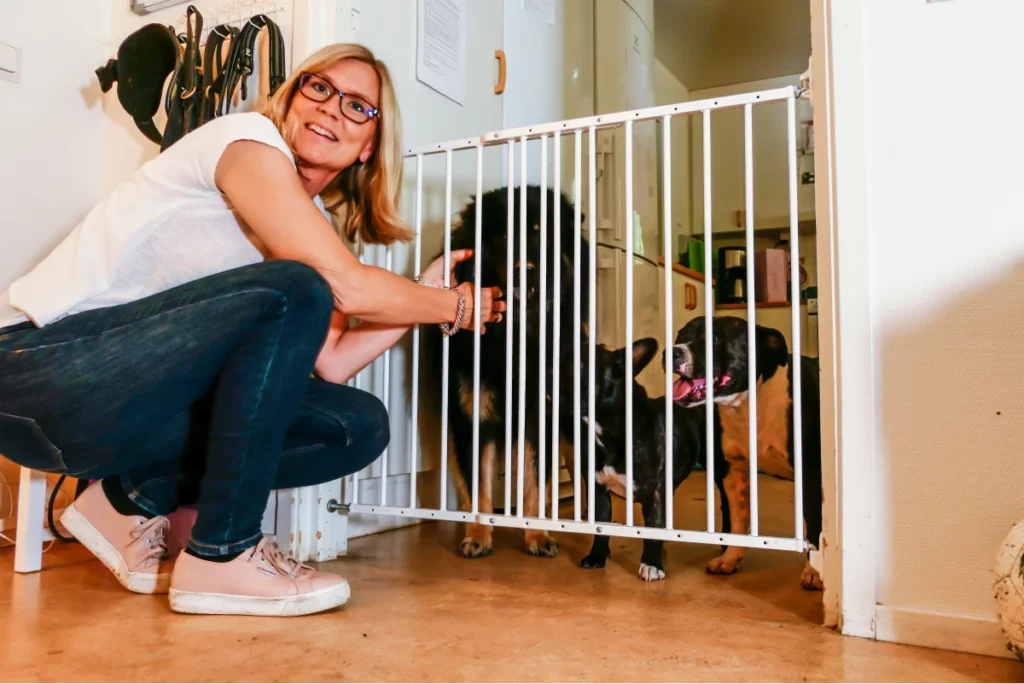
Think of pet business insurance as your second gate, a backup barrier in case other systems fail.
Homeowners’ insurance and generic business policies aren’t designed for home pet care, so they leave a lot of gaps that pet risks can squirm through. Pet boarders, pet sitters, and home-based trainers or groomers need coverage tailored to their unique business setting and pet risks.
Look for these types of coverage to manage your biggest risks in at-home pet care.
| Type of Coverage | How It Helps |
|---|---|
|
Coverage for pets who get injured, sick, escape, or even die while under your care, custody, or control |
|
|
Helps pay for physical injuries or property damage to other people related to your business |
|
|
Helps cover vet bills if a pet you’re watching needs emergency care |
|
|
Coverage for repairs or replacements to your business equipment if it’s damaged or stolen |
Pets will always be unpredictable, but that doesn’t mean you’re stuck hoping for the best. Pet-proofing your house and carrying the right coverage helps you reduce risks and create a welcoming place for pets to stay.
Ready to check pet business protection off your list? You can get covered online today.
Or, learn more about professional coverage for your specific at-home pet care business:
FAQs About Pet-Proofing Your Home for a Pet Business
What’s the difference between pet-proofing a home and pet-proofing for a pet care business?
Pet-proofing a home for a pet care business means planning for multiple pets, unfamiliar behaviors, and higher-risk situations, not just your own pet’s habits.
You need structured systems to protect your business and clients’ pets, like separate zones, secure storage for food and supplies, controlled entry points, and clear routines for feeding, play, and supervision.
What are the biggest risks when running a pet care business from home?
The riskiest situations in home pet care are busy and unsupervised moments, such as:
- Feeding time (risks: food guarding, overeating, or getting the wrong food)
- Drop-offs and pick-ups (risks: rushed transitions leading to escapes or injuries)
- Group play (risks: pet injuries due to mismatches in size, energy, or temperament)
- Unsupervised time (risks: chewing/ingestion injuries or escapes during containment)
Do I need to pet-proof my home if I only watch one pet at a time?
Yes. Even one pet can act unpredictably in a new space. They may explore more, chew new objects, test boundaries, or react to stress in ways their owners don’t see at home (or that your own pets don’t). Pet-proofing helps you control those unknowns by removing hazards, securing food and supplies, and setting up safe spaces.
Is pet-proofing enough risk prevention, or do I still need insurance?
Pet-proofing helps limit risks, but you still need insurance for elements of pet care that you can’t fully control. Even in a well-prepared home, pets sometimes get injured, sick, or cause damage. And you’re often financially responsible if something goes wrong while a pet is in your care.
Insurance helps cover those gaps, acting as a backup when things don’t go according to plan.
