

Loving animals is usually how pet sitting starts. Maybe you watched a friend’s dog for the weekend or checked in on a neighbor’s cat as a favor. Soon, you start to wonder, could I turn pet sitting into a side gig, or even a job?
This guide walks you through what it really takes to become a pet sitter, even if you’re starting from scratch. You’ll learn what skills matter, how to get pet sitting experience, and what to prep before your first paid gig.
First Time Pet Sitting?
Work smarter, not harder.
Is Pet Sitting the Right Job for You?
Pet sitting is a perfect fit for practical people who love animals and want flexible, independent work. But it also comes with real responsibility, so it helps to think through whether the day-to-day reality fits your lifestyle and interests.
| Must-haves (core requirements) | Nice-to-haves (helps you thrive) |
|---|---|
|
You’re comfortable being responsible for someone else’s pet’s safety and well-being. |
You like working independently and managing your own time. |
|
You can stay calm and flexible when plans change (late flights, surprise messes, anxious pets). |
You enjoy a flexible schedule and don’t mind evenings, weekends, or holidays. |
|
You’re detail-oriented and follow instructions closely (feeding, meds, routines, home care notes). |
You find it rewarding to build relationships with pets and repeat clients. |
|
You’re a clear communicator and will send timely updates to pet parents. |
You like being active and spending time outdoors (walks, playtime). |
|
You’re reliable and consistent, even when it’s inconvenient. |
You’re comfortable handling a mix of tasks beyond pet care (keys, alarms, mail, house checks). |
Loving animals and taking care of them are different things. You have a lot of litter boxes in your future, but you also get to comfort lonely kitties and pups missing their owners. It matters to every pet that you came.
It’s okay if you don’t check every box yet. Most pet sitters grow into their role over time. If you care about doing things the right way and are willing to learn, you’re already starting from a strong place.
What Does a Pet Sitter Do During a Visit?
Pet sitters care for animals while their owners are away, following the routine the pet is used to. Your job is to provide stability for the pet and peace of mind for the owner. Every appointment is a little different, but most pet sitting visits include the same basic tasks:
- Feed pets and refill their water
- Take dogs outside for walks or potty breaks
- Clean litter boxes or pet areas
- Play with pets and provide companionship
- Check that the pet looks healthy and comfortable
- Send an update message, video, or photo
- Lock up and leave the home as you found it
Pet sitting gigs are usually short drop-in visits (15-30 minutes), longer drop-ins (45 minutes to an hour), overnights, or extended stays (24 hours+).
You may take care of one pet or a few at a time. Some sitters also give pets medication or do house-sitting tasks like bringing in the mail or watering the plants for an extra fee.

What Pet Owners Actually Expect From a Pet Sitter
When pet owners talk about great pet sitters, the same themes come up again and again.
We looked for patterns in feedback from 118 pet sitting clients, including online reviews, testimonials, and community discussions. Here’s what they have in common: most pet owners aren’t looking for someone perfect. They’re looking for someone they can trust.
5 Qualities of the Best Pet Sitters (According to Pet Owners)
Reliability and consistency
Showing up when you say you will and following the agreed-upon routine matters. Missed visits are one of the fastest ways trust breaks down.
Clear, proactive communication
Pet owners value updates, photos, and quick check-ins. Even a short message or photo of their pet goes a long way to help them relax while they’re away.
Following instructions closely
Feeding routines, medications, walk schedules, and house rules all matter. Pet owners notice when sitters pay attention to details and ask questions
Respect for their home and pet
Being tidy and thoughtful in someone else’s space is part of the job. Many pet owners mention feeling grateful when sitters treat their house and pet with care.
Calmly handling the unexpected
Things don’t always go as planned in pet care. Pet owners appreciate sitters who stay calm, communicate clearly, and know when to reach out for help.
The great news for a new pet sitter: all of these qualities are learnable. They’re about habits, communication, and preparation. Focusing on these basics helps new pet sitters build trust early and feel more confident saying yes to paid jobs.
4 Pet Sitting Skills You Can Start Building Now (& How to Practice)
At this point, you’re probably thinking, “So how do I prove I can do that before my first job?” Luckily for pet sitters, you can practice (and prove) a lot of these skills in everyday ways before booking your first gig.
These are the key pet sitting skills to focus on early, plus some simple ways to build them.
1. Communicating & Following Care Instructions
Enlist your friends, family, and neighbors to let you practice with their pets (and treat it like a real job). Ask for detailed instructions, including feeding times, walk schedules, and medications. Send a short update about how everything went after the visit, even if you’re not getting paid.
Ask if they’ll provide a testimonial afterwards about how you did. They can honestly comment on your communication and how well you followed routines because you practiced with intention.
2. Observing & Interpreting Pet Behavior
An easy, low-commitment way to start is by reading (or listening) up on animal behavior from trusted sources like vets, pet sitting associations, and humane societies:
- Read what vets have to say. The Veterinary Partner website offers helpful tips, like signs of pain in pets.
- Pop on a podcast. We love Dr. Katrin Jan’s Veterinary Behavior Chat.
- Apply what you’ve learned. Volunteer at an animal shelter or take short-term fostering placements for a local rescue. Start with one behavior, like appetite or bathroom habits, and record what you see.
3. Handling Responsibility Calmly
Start with simpler care, like drop-in visits or pets without special medical needs. As you build skills, you can start taking on more complex routines.
You can also learn about pet health by signing up for a class or certification. (This is totally optional. You don’t need any certifications to work as a pet sitter.) Our pet sitting certification guide covers some of the most popular options for beginners through advanced sitters.
4. Managing Time & Routines
Sticking to a schedule is one of the things new pet sitters struggle with most. Does caring for three cats take 15 minutes or 30? Does adding house-sitting mean I need a full hour?
Pet sitters figure out what works over time, but a little research can give you a head start.
- Check pet sitting online communities: Facebook groups like Dog Walking/Pet Sitting (Worldwide) or forums like r/RoverPetSitting let you see what working pet sitters say.
- Read our Quick Guide to Dog Sitting Rates: It includes a chart with visit lengths, typical services for each, and average price. It’s a must-read if you’re interested in how to become a dog sitter.
- Pay a local pet sitter for their time, and just ask questions: This may feel counterintuitive (ask my future competition for advice?), but getting involved with your local pet care community can provide valuable insights and contacts.
A PCI-insured pet sitter offered this advice for pet pros just starting out:
Get to know your local colleagues, build relationships … Instead of trying to ‘pick their brain’ informally or expecting free advice, offer to pay for an hour of their time. Treat their time and experience as valuable — because it is.
That kind of professional courtesy goes a long way, and you’ll be remembered for it.
Annie Oliver, Pet Sitter and Founder of All About Services

How Do I Become a Pet Sitter & Get Paid? 3 Paths to Your First Booking
There isn’t just one way to become a paid pet sitter. Many people use a mix of approaches to get their first paid gig, especially when they’re just starting out. What matters most is choosing a path that feels manageable for you and fits your comfort level.
Three Ways to Get Paid Pet Sitting Jobs
| Source | Good for |
|---|---|
|
Repeat Clients and Referrals Many pet sitters get their first paid jobs through word of mouth. Friends, neighbors, coworkers, family members, and eventually past clients recommend them to someone who needs help. |
Growing a client base naturally over time Side gigs or part-time work Slowly building skills and confidence |
|
Community Connections Community boards, Nextdoor, local pet businesses, and neighborhood groups like HSAs can also create jobs. Look for groups with a need for pet care, and present yourself as a solution. |
Finding clients close to home Building local trust and visibility Sitters who prefer in-person connections |
|
Pet Sitting Apps Some sitters create profiles on pet care apps where pet parents search for help. These platforms can make it easier to find paid jobs, especially early on |
Getting started quickly Finding clients without relying on references Testing out pet sitting as a job |
Repeat Clients and Referrals
Many pet sitters get their first paid jobs through word of mouth. Friends, neighbors, coworkers, family members, and eventually past clients recommend them to someone who needs help.
Good for:
Growing a client base naturally over time
Side gigs or part-time work
Slowly building skills and confidence
Community Connections
Community boards, Nextdoor, local pet businesses, and neighborhood groups like HSAs can also create jobs. Look for groups with a need for pet care, and present yourself as a solution.
Good for:
Finding clients close to home
Building local trust and visibility
Sitters who prefer in-person connections
Pet Sitting Apps
Some sitters create profiles on pet care apps where pet parents search for help. These platforms can make it easier to find paid jobs, especially early on.
Good for:
Getting started quickly
Finding clients without relying on references
Testing out pet sitting as a job
You don’t need to choose just one approach. Many pet sitters combine referrals, platforms, and local connections to reach different types of clients.
Need help choosing a pet sitter app? We compare the two most popular online pet sitting platforms head-to-head in our Rover vs Wag review.
Want quick-start tips for sitting through an app? Our how to walk dogs on Wag and our becoming a Rover dog walker guides are packed with signup tips for beginners in pet care.
Finding Your Comfort Zone: Choosing a Pet Sitting Niche
When you’re brand new to pet sitting, it’s tempting to just say yes to everything. Pet sitting for puppies, for senior pets, for reptiles, for three Great Danes — it might not all be for you. In reality, starting with a niche (aka a pet sitting specialty) can make the work feel more manageable.
Choosing a niche now doesn’t lock you in forever. Many pet sitters start by accepting certain kinds of pets or visits and then expand as they gain experience.
Beginner-friendly pet sitting niches often include:
- Drop-in visits for feeding, potty breaks, and check-ins. They’re short and simple.
- Overnight stays in a pet owner’s home. These visits involve the same tasks as a drop-in, just with more time as a comforting presence for pets and some light housekeeping.
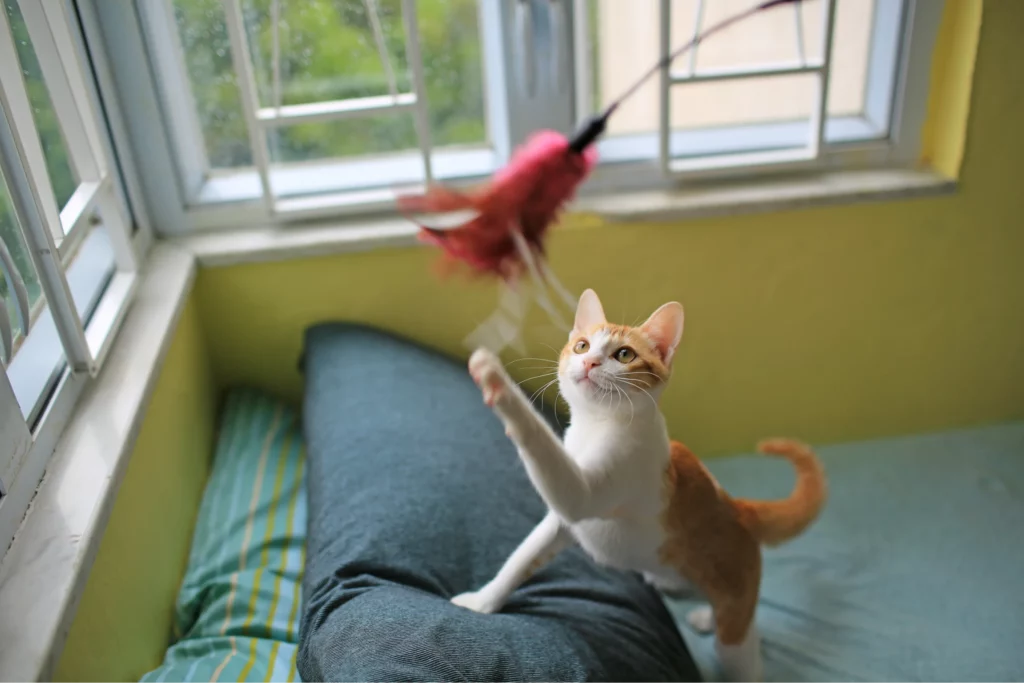
- Cats or low-maintenance pets with predictable routines. You may not want to take jobs that involve administering meds, handling reactive dogs, or balancing the pH in a saltwater fishtank right away (or ever), and that’s okay.
- One-pet households instead of multi-pet homes. When your attention is divided, it’s easy to miss something unless you’re used to handling several animals at once.
Starting where you feel capable is a smart way to grow into pet sitting without rushing into it.
What to Prepare Before Your First Paid Pet Sitting Gig
Before you book your first job, it helps to pause and make sure you’re set up to care for the pet safely. Preparation doesn’t mean you have everything perfect right away. It’s just a way to check the boxes that you know what you’re responsible for and you have a plan to handle it.
The First-Time Pet Sitter Checklist
Before booking your first drop-in, download your pet sitting visit checklist (you’ll want to bookmark this for later) and make sure you’ve got the basics.
What to Bring
Chances are good that pet owners will already have toys, food, and most of the pet supplies you need. But it never hurts to be prepared.
✅ Doggy poop bags
✅ Pet toys
✅ A collapsible water bowl
✅ An extra leash
✅ Pet owner’s instructions
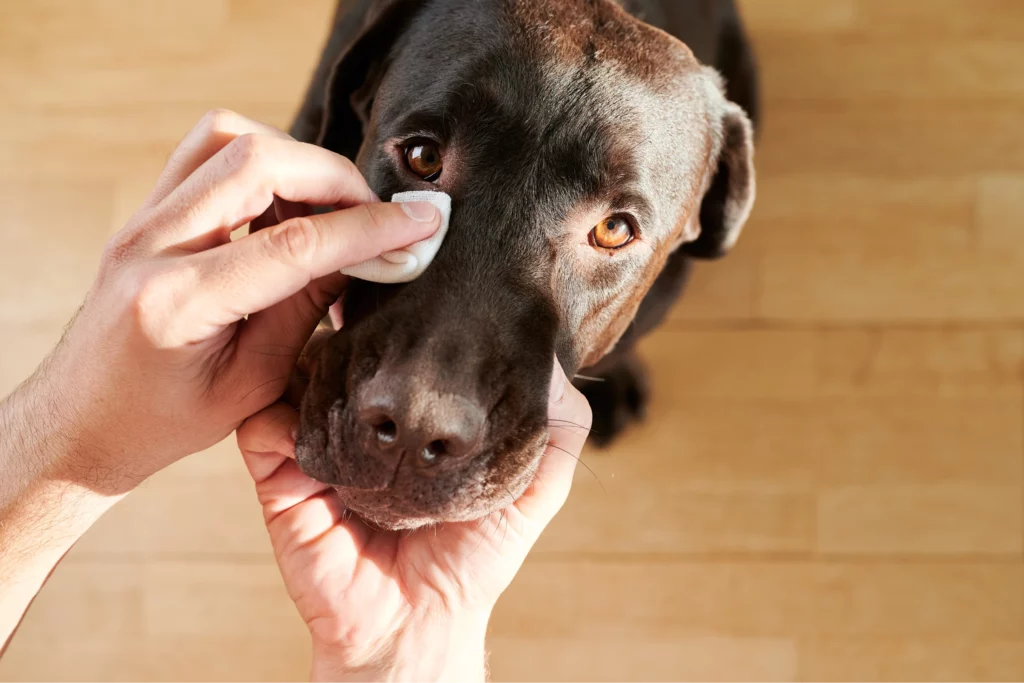
✅ Enzyme cleaning spray and pet wipes
Note: Always clear any cleaning supplies, treats, or food you bring with the pet parent first.
Details You Need From the Pet Parent
✅ The pet’s daily routine
Feeding times and amounts, walks, playtime, and any quirks or preferences
✅ A pet health and behavior history
Special instructions, allergies or health conditions, bite history for dogs
✅ House rules and care instructions
Rules about home or pet care (like “use this rug cleaner if Daisy throws up,” or “don’t let Scooby on the leather couch”)
✅ Contact information
Phone numbers and addresses for the client, their vet, and an emergency contact
✅ A way to get in and lock up
Key location, door codes, alarm information
✅ Boundaries around what’s included
Agreement about visit length, responsibilities, price, and add-on services
Taking a few minutes to check these boxes can help prevent stress later and set the tone for a positive experience on both sides.
Pro Tip: Using a pet service contract is a simple, repeatable step that gathers all this info in one place, documents everything in writing, and keeps everyone on the same page.
An attorney can help you draw up a contract that fits your state laws. (We know, that sounds business-y, but it’s worth the peace of mind. Plus, a service contract makes even new pet sitters instantly look more professional.)
But What If Something Goes Wrong? Understanding Pet Sitting Risks and Protection
At this point, there are probably some what-ifs pawing at your peace of mind:
- What if their dog breaks away from me on a walk or escapes?
- Who would pay if their cat gets hurt and needs to go to the vet?
- If I accidentally break something in their house, would I have to pay for it?
Here’s the reality: when you accept care of someone else’s pet or home, you’re often legally responsible if something goes wrong.
That’s why many pet sitters protect themselves with pet sitter insurance. Insurance designed specifically for pet care can help you cover the cost or get help if something goes wrong, including these common issues.
| Common Pet Sitting Risk | Examples Insurance Could Cover |
|---|---|
|
Property damage to clients’ homes |
Broken windows, scratched floors |
|
Harm to pets in your care |
Dog eats their toy, tail gets caught in the door |
|
Lost pets in your care |
Cat escapes through an open window |
|
Pet-on-pet injuries |
Client’s dogs get into a fight at feeding time |
|
Physical injuries to others |
Client’s dog knocks over a neighbor on a walk |
|
Emergency vet bills |
Dog in your care gets into your medication |
|
Lost keys |
You get locked out and need a locksmith |
Protecting yourself and pets is part of doing the job well — even if you’re still pet sitting part-time or as a side gig. Getting dog sitter insurance or cat sitter insurance is a simple step now that can help you focus on the pets without worrying about what-ifs.
From Side Hustle to Business: Next Steps to Become a Pet Sitter Full-Time
If you find yourself booking repeat clients, turning down work because your schedule is full, or relying on your pet sitting income more often, you may be ready to take the next step. Treating pet sitting like a full-time business just means putting structure around what’s already working.
Creating that business structure for pet sitting involves getting clear on your rates, scheduling, legal paperwork, marketing, and business protection.
When you’re ready to explore that shift, our guide on how to start a pet sitting business walks through what to consider, step by step.
Whether pet sitting stays a side hustle or becomes your full-time focus, taking a thoughtful approach helps you keep doing the work you love safely and sustainably.

Frequently Asked Questions About How to Become a Pet Sitter
Do I need certification to become a pet sitter?
No, pet sitters don’t need to be certified. Many sitters start without formal training and build skills through hands-on experience. Some choose to pursue popular pet sitting certifications later to boost their confidence and authority, refine their skills, or specialize.
How much do beginner pet sitters usually make?
According to ZipRecruiter, pet sitters make an average of $7.45/hour to $22.12/hour. Earnings depend on your experience, services, and where you live. Checking the pet sitting rates of similar local sitters to give you the best idea of how much you can make per job.
Do pet sitters need insurance?
Pet sitters aren’t usually required to have insurance, but many choose to carry it. The cost of skipping pet sitter insurance can actually be higher than just preparing with coverage ahead of time. Pet sitting claims can easily reach thousands of dollars without insurance.
What happens if a pet I’m watching gets hurt?
If a pet is injured and it’s an emergency, the first step is to take the pet to a veterinarian. Next, notify the pet owner about what happened, then contact your insurance provider. Having a plan and pet sitting insurance lets you handle pet emergencies calmly and responsibly.
