
Ever wondered what really goes wrong during pet sitting, and how much it costs?
Here’s your peek behind the liability curtain with 2025’s eight most common types of pet sitting claims.
At Pet Care Insurance (PCI), we’ve seen just about every kind of sitting-gone-wrong scenario. And, for the most part, they’re not freak accidents. They’re the same handful of situations that could show up in any sitter’s day. This rundown reveals the most common pet sitter insurance claims, what they cost (with real claim examples), how to prevent them, and how to ensure your pet sitter insurance is built to cover them.
Between Bookings: The 30-Second Summary
- The eight most common pet sitter insurance claims based on PCI’s 2025 claims data are: pet escapes, pet illness, pet injuries, pet-on-pet injuries, pet-on-person injuries, pet ingestion risks, property damage, and lost keys.
- The real claims we share in this article range from $598 to $13,348. Pet sitting claims regularly cost thousands of dollars, which is often too much for a solo pet sitter to absorb without insurance.
- Standard general liability insurance doesn’t cover everything. The best way to fill a few very important gaps for sitters, like animal bailee coverage and bonding, is to look for customizable insurance designed specifically for pet care.
8 Common Pet Sitter Claims: A Coverage Snapshot
Here’s how the pet sitting claims we see most often break down, plus what kind of insurance coverage you might need for each.
| Claim Type | What a Claim Looks Like | Coverage That Can Help |
|---|---|---|
|
Pet Escapes |
A client’s pet runs away, gets loose, or sneaks out while in your care |
|
|
Pet Illnesses |
A client’s pet gets sick on your watch |
Pet Protection or Veterinarian Reimbursement |
|
Pet Injuries |
A pet accidentally gets hurt while you’re on the job |
Pet Protection or Veterinarian Reimbursement |
|
Pet-on-Pet Injuries |
Clients’ pets get into a scuffle and one or more get hurt |
|
|
Pet-on-Person Injuries |
A client’s pet bites, trips, knocks down, scratches, or otherwise injures someone else |
General Liability (Animal Liability) |
|
Pet Ingestion Risks |
A client’s pet eats something they shouldn’t during your visit |
Pet Protection or Veterinarian Reimbursement |
|
Property Damage |
You or a client’s pet damages a client’s home |
General Liability |
|
Lost Keys |
You lose a client’s key or get locked out |
1. Pet Escapes
Riley, a Jack Russell Terrier, escaped during a pet sitter’s overnight visit. The sitter searched the neighborhood the next morning and was able to find Riley, but he had been injured during the night and needed emergency care.
Cost: $2,500*
*Claims sourced from PCI 2025 policyholder claim data. All pet names, breeds, and identifying details have been changed, but these situations and expenses are real.
Overnights leave a lot of unsupervised hours when things can go wrong. A gap in the fence, an open window, or a doggie door you didn’t know about can mean waking up to your worst nightmare as a sitter. Pet escape claims are also common during walks or at the door during arrivals and departures.
How to Prevent Pets on the Loose:
- Ask pet parents about any known escape habits during booking. Your clients know their pet and the quirks of their home, though they might not think to mention them unless you ask.
- Do a walkthrough before bed and first thing in the morning for overnights. Most escapes from the client’s home happen when no one’s watching.
- Check leashes and collars before a walk for wear and tear. Slipped collars and broken leashes are also common culprits of an escape, so always bring an extra leash. The last thing you want is to be a mile from home trying to corral an energetic husky with a snapped leash and no backup.
What Type of Insurance Covers Lost Pets?
Animal Bailee Insurance (at PCI, we call it Pet Protection Coverage) is designed to help cover your pet sitting business when pets in your care, custody, or control get lost.
Escapes can get pricey. When found, lost pets often need vet care. And if the pet isn’t found, you may face a lawsuit asking you to pay the value of the pet and other damages. This isn’t something most general liability insurance covers (actually, most standard policies exclude it), but it’s essential for pet sitters. Always check whether Animal Bailee Coverage is included in your pet sitting insurance.
2. Sick Pets
Magnus the Pug suffered heat stroke while in a pet sitter’s care after playing out in the yard on a hot day.
Cost: $13,348
Ollie the Corgi developed hot spots on his neck and chest while in a sitter’s care, requiring a vet visit.
Cost: $1,266
We gave you two examples for this one, since costs can vary widely based on the cause and severity of an illness. Certain breeds are also more vulnerable to specific kinds of illnesses or medical episodes, and you may have a higher risk of dealing with illnesses when you care for senior or special needs pets.
How to Prevent Pet Illness During Care (or Spot the Signs Early)
- Get a pet medical history and allergy list from pet parents during booking. Knowing about existing medical conditions and food sensitivities helps you tailor care for each pet to avoid accidentally triggering an episode.
- Give pets plenty of access to fresh water, food, shade, and temperature control. While you can’t control everything about a pet’s environment in someone else’s home or yard, you can focus on meeting basic needs for pet safety and comfort.
- Observe pets carefully. Look for changes in normal appetite, movement, and bathroom habits for an early warning when something’s not right. Getting a baseline on a new pet’s normal potty break/litterbox schedule and eating habits during intake is a big help in this area.
What Type of Insurance Covers Sick Pets?
Pet Protection Coverage and/or Veterinarian Reimbursement could help you pay for a sick pet’s vet bills, depending on the situation.
Also, heads up Rover sitters: the Rover Guarantee excludes (does not cover) vet expenses for pets with pre-existing or preventable health conditions. If you care for senior pets or animals with a history of health problems (which, let’s face it, is a lot of your four-legged clients), it’s worth considering your own pet sitting insurance. We have a page dedicated to how to insure Rover pet sitting, if you want to learn more.
3. Pet Injuries
Luna the Cavapoo tried to chew out of her crate while the sitter left her alone to clean up the house. She broke some of her teeth and injured her mouth, so the sitter rushed her to the vet.
Cost: $12,007
Lola the Dachshund jumped from the back of a couch on the client’s porch into the backyard, and suddenly began limping. The sitter took Lola to the vet, where she was treated for broken bones.
Cost: $2,135
This is another big category with a broad range in how serious (and expensive) accidents can be. These are the one-pet accidents that could really happen to any sitter. From cats that didn’t stick the landing to dogs that got bitten by a snake in the yard, the variety is endless, so they can be hard to predict.
How to Prevent Physical Injuries to Pets During Visits
- Identify and remove or block off risks. Some injuries can be avoided by simply keeping pets away from a hazard, like a jagged area on a fence or a tangle of cords in the living room. Our pet-proofing walkthrough for pet care pros has a section specifically for on-the-fly pet proofing in a client’s home.
- Acknowledge that “just for a minute” is always longer than you planned. When you need to leave a pet unsupervised or in containment (like a crate), make sure they’re in a safe environment, you check in regularly, and that they have plenty of food, water, and potty breaks.
What Type of Insurance Covers Pet Injuries?
Depending on the injury, Pet Protection Coverage, Veterinarian Reimbursement, or both could kick in to help with vet fees, legal costs, or ongoing treatment. When a pet gets hurt, having Veterinarian Reimbursement in particular means not hesitating over whether you can afford the bill or if the owner will pay you back. You’ve got a plan that lets you act quickly and confidently in the pet’s best interest.
4. Pet-on-Pet Injuries
Rocket, the client’s Border Collie, got the zoomies during a sitter’s stay and sprinted around the house, barreling into the client’s cat, Mittens. Mittens attacked Rocket, Rocket fought back, and the two pets hurt each other and damaged the client’s bedroom during the scuffle.
Cost: $4,992
When you’re sitting for a multi-pet household, there’s always a chance that the clients’ pets will get into it on your watch. From food aggression to accidental injuries while pets are roughhousing, there’s no shortage of scenarios that could cause even pets that are familiar with each other to get hurt.
How to Prevent Pet-on-Pet Injuries
- Ask pet parents for each pet’s bite history during booking. No one loves asking this awkward question, but knowing whether pets in your care have injured another pet before can help you understand the situation you’re walking into and decide whether you really want to accept.
- Always supervise pet interaction. Anytime pets are free to roam together, there’s a chance for unpredictable behavior (especially when food, toys, and playtime up the stakes). Pets are out of their routine when their owners aren’t home, and that can cause all kinds of anxious or boundary-testing responses pet parents don’t normally see, but you might.
What Type of Insurance Covers Pets Injured by Other Pets?
The animal liability portion of your General Liability Insurance is designed to cover injuries caused by animals, including pet-on-pet injuries. Your Pet Protection and Veterinarian Reimbursement coverages may apply here, too, depending on what happened.
Why so many different types of coverage for the same claim? The goal of comprehensive liability insurance for pet sitting is to have coverages that work together for cases like these, since multiple pets can mean multiple injuries (and multiple vet bills that up the expense).
5. Pet-on-Person Injuries
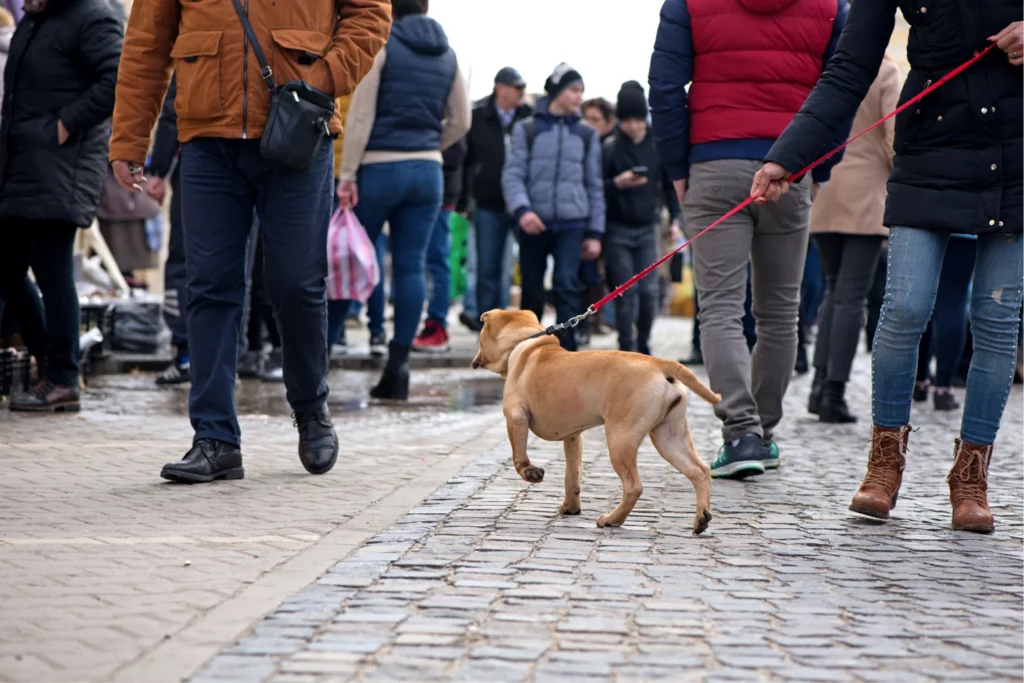
A pet sitter was walking their client’s dog, Rusty, when he unexpectedly bit a passing neighbor who walked a little too close.
Cost: $613
Fear, surprise, or just being startled by sudden movement could be enough for a dog with no prior history of aggression to lash out. Dogs on leashes can be especially prone to this kind of behavior, since the leash is preventing them from putting distance between themselves and whatever’s making them nervous.
Keep in mind that not all of our 2025 claims where a pet injured a person were dog bites. Getting tripped by a leash, scratched, or even just knocked down by an overenthusiastic doggy welcome could lead to a human injury. In all cases, the key is proximity.
How to Prevent Injuries to People
- Give dogs space. When you see someone approaching on the sidewalk, give a client’s dog as much freedom to move away as you safely can. That may mean preemptively crossing the street or stepping to the side to allow room to pass.
- Be a dog advocate. If you know your client’s dog is nervous around strangers, it may be on you to politely but firmly decline when someone approaches for a pat. A dog’s only way to say no when on a leash is to growl or bite. You may need to speak for them.
- Use a “do not pet” high-vis leash sleeve for walking nervous dogs. Slip one on the leash before you head out so pedestrians are warned to keep their distance.
What Type of Insurance Covers Human Injuries Caused by Pets?
This may be covered by the Animal Liability portion of your General Liability Insurance. Keep in mind that this is liability coverage, meaning it applies to your responsibility for harm to third parties only, like clients or bystanders. This doesn’t protect you or your employees from bites and other injuries.
6. Ingestion Risks
A client’s pantry door didn’t close tightly, allowing their determined French bulldog, Chester, to gorge on kibble straight from the bag. Chester massively over-ate and started to become bloated and lethargic. The sitter rushed him to the vet.
Cost: $1,527
Ask any pet sitter for their “you won’t believe what he ate” story, and they’ll have at least one. Dogs especially tend not to discriminate between food and, well, everything else. Here’s a real list of things clients’ dogs got into during PCI pros’ visits in 2025:
- A plastic bag full of raisins
- Crisp rice treats in cling film
- A dish towel
- A foxtail
- Two chocolate protein bars
- Napkins
- Dog beds
- A pair of shoes
- Human medications
- Plastic decorations
- Pest control chemicals
- A marijuana edible
- Half a box of sugary cereal
- A slipper sock
- A wide variety of trash
How to Prevent “The Dog Ate Something Weird” Risks
- Out of reach really means in enclosed storage. Most things in the typical client’s home are within reach of a determined dog or cat unless they’re inside a closed container. That could be a plastic bin with a lid, a closed upper cabinet, or a pantry with a firmly latched door.
- You bring ingestion risks with you. Make sure your bag, medication, toiletry products, and snacks are also out of reach.
- Unapproved pet food and treats are also risky. More than one claim on our 2025 list related to a pet that ate food offered by a sitter without clearing it with the pet parent first. Owners may not clue you in to a pet’s dietary sensitivities, or they may not know about them. It’s always safest to keep pets on the diet they’re familiar with.
What Type of Insurance Covers Pet Poison or Ingestion Emergencies?
Any sitter will want both Animal Bailee Coverage and Veterinarian Reimbursement Coverage to handle emergency vet trips and your legal responsibility for the safety of clients’ pets. It’s also a smart idea to keep a pet poison control number handy in case of an accident.
Pin it to your phone homescreen now, thank yourself later.
ASPCA Poison Control Hotline: (888) 426-4435.
7. Property Damage
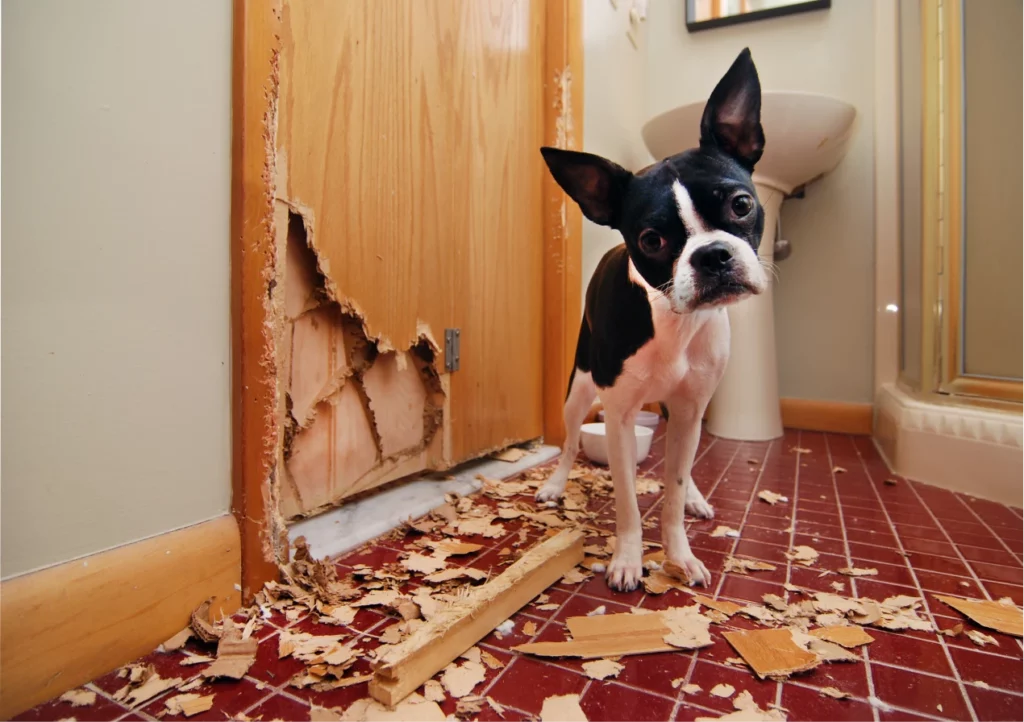
Rosco, a Goldendoodle, spent some unsupervised time in a client’s bedroom during a sitter’s visit and decided the carpet needed rearranging. By the time the sitter noticed, Rosco had torn through both the carpet and the padding underneath.
Cost: $598
Property damage caused by pets usually isn’t a case of a “bad” dog or cat. It’s about boredom, anxiety, or a burst of energy with nowhere to go. Carpet, baseboards, and door frames often take the brunt of this kind of damage, since they’re right at paw and nose height, but we’ve also seen broken windows and doors, scratched wooden flooring, and much more.
How to Avoid Property Damage Caused by Pets
- Give pets somewhere to put their energy. A quick walk for dogs or a play session for cats before leaving them alone after a visit can burn off nervous energy that might otherwise go into gnawing on something expensive.
- Close off rooms that the pet doesn’t need to access. Clients may already give you a list of spaces where they do and don’t want a pet to have free reign. If not, this is a smart thing to ask for on an intake form.
What Type of Insurance Covers Damage Pets Do to Homes?
General liability insurance includes coverage for damage pets cause to other people’s property. It’s specifically designed to cover permanent parts of a client’s property, like the building structure, driveway, yard, and fixtures of the home.
8. Lost Keys and Lockouts
A sitter dropped their client’s house key during a walk and didn’t realize it was gone until 30 minutes later. With the clients on an international trip and the emergency contact not answering, there was no backup plan. The sitter had to call a locksmith to get back inside and to rekey the house afterward.
Cost: $717
Not every pet sitting accident involves an animal. Maybe a key slips out of your pocket, your bag gets stolen, a lock sticks, a door locks behind you, or the spare isn’t where the client said it would be.
Regardless, when a client is unreachable, and you can’t get to a pet who needs you, you might have to pay a locksmith. It’s something any sitter might need, but most don’t think to budget for it.
How to Prevent Losing Keys or Access
- Confirm a backup contact or access plan with your client. That might be a neighbor with a copy of the door code, or a secure lockbox with a spare key. Emergency contacts can fall through, but they’re one more layer of safety.
- Attach the client’s keys to a carabiner or keyring that clips to a belt loop or bag. Not leaving keys loose reduces the chance they’ll be accidentally dropped or work their way out of your pocket.
What Type of Insurance Covers Rekeying Costs for Sitters?
Lost Key Liability Insurance is specifically designed to cover the cost of a locksmith’s fee for a new key. It can also help pay for new locks, if necessary. Plenty of clients will want you to replace any locks that fit the same key that was lost for their security and peace of mind.
Common Claims General Liability Doesn’t Cover (& How to Protect Your Pet Sitting)
Plenty of sitters see a standard business policy and think, “General liability sounds like it covers things generally, so that’s enough, right?” It’s an understandable mistake, but it could leave you with gaps in protection.
We already talked about why Animal Bailee Coverage is a must for sitters beyond just general liability, but what else might you need to avoid a coverage gap?
| Coverage Gap | Why It Matters | What Can Cover It |
|---|---|---|
|
Damage to a client’s personal belongings |
General liability can cover the client’s home itself, but it usually won’t cover the stuff inside, like furniture, rugs, or decor. You know, the things pets like to pee on, vomit on, and shred. |
|
|
Injuries or damage while driving for work |
Did you know: if you get into an accident while transporting clients’ pets, even locally to the park or appointments, your standard auto insurance often won’t cover it? Neither will standard general liability. |
|
|
Injuries to your team |
If you hire helpers and one gets bitten by a client’s dog or throws out their back lifting crates, you need special coverage to pay their job-related medical bills. It’s required for businesses with employees in most states. |
|
|
Theft of a client’s property by your employee |
Your reputation as a sitter is based on trust, so when your employee steals from a client, you need a way to make it right. It’s why many sitters pay for bonding (as in, “bonded and insured pet sitter”). |
Employee Dishonesty Insurance (a similar coverage to bonding) |
|
Your responsibility for your employees’ actions |
If a pet gets injured on your employee’s watch, the claim or lawsuit can fall back on you. It’s always smart to make sure your coverage extends to your employees. |
New to insurance? Think of building a custom insurance policy like going to a sundae bar. For example, pet sitter insurance from PCI comes with General Liability, Pet Protection, Veterinarian Reimbursement, and Lost Key Liability in every policy. That’s your scoop of vanilla — everyone needs it. Want more coverage? Just add any of the optional add-ons above that fit your business to customize.
Even if you’re a solo sitter today without a team behind you, knowing where the gaps are now means you’ll know how to adjust your insurance to grow safely later.
The Coverage Sitters Can’t Afford to Skip
In PCI’s 2025 survey of over 500 pet care providers, nearly half (49.7%) reported earning $34,999 or less annually from pet care. That means a four-figure claim, like many of our examples, would be a meaningful bite out of most pet pros’ yearly profits.
Every claim we talked about happened to a real pet sitter doing exactly the kind of work you do: booking overnights, feeding and exercising pets, and other day-to-day tasks that look simple, but aren’t.
That’s really the point of these stories, and why pet sitting insurance makes business sense. Along with practicing professional pet care habits, having insurance that fits pet sitting risks prepares you for moments like these. With the right coverage, you can confidently focus on being the loving, safe companion a pet needs while their owner is away.
Learn more about PCI pet sitter insurance in our coverage details.

FAQs About Pet Sitter Insurance Claims
What insurance do I need as a pet sitter?
Pet sitters typically need a policy specifically designed for pet care, since a standard business liability policy often leaves out key coverage for pet safety that sitters need. These are the main types of basic coverage any sitter should look for:
- General liability
- Animal bailee
- Veterinarian reimbursement
- Lost key liability
Should pet sitters be bonded and insured?
Yes. Many pet sitting businesses with employees carry both, since bonding and insurance protect you against different risks. Liability insurance is designed to cover accidents, injuries, and damage, while bonding (called Employee Dishonesty Insurance at PCI) protects your business if one of your employees steals from a client. Solo pet sitters likely don’t need to be bonded, since they don’t have employees yet.
How do I protect myself as a pet sitter?
The best protection for a pet sitter is to combine professional pet care practices (like careful walkthroughs and a thorough intake form) with insurance that’s designed to cover how you really work. Even the most careful sitter can’t always prevent a cat from bolting, a dog from eating something funky, or an unexpected lockout. That’s exactly why insurance is your safety net for the unexpected.

Kyle Jude | Program Manager
Kyle Jude is the Program Manager for PCI, where he helps design and maintain liability coverage specifically for pet professionals. With 10+ years of insurance industry experience, he works closely with carriers, underwriters, and compliance teams to ensure PCI coverage stays accurate, responsive, and relevant to real-world risks. At home, he puts that same expertise to use wrangling his four beloved dogs
Kyle Jude is the Program Manager for PCI, where he helps design and maintain liability coverage specifically for pet professionals. With 10+ years of insurance industry experience, he works closely with carriers, underwriters, and compliance teams to ensure PCI coverage stays accurate, responsive, and relevant to real-world risks. At home, he puts that same expertise to use wrangling his four beloved dogs
